
Tesla’s Cybercab Launch Could Change How You Ride to Work
Subheadline: Tesla is unveiling its long-awaited Cybercab on Sept. 3, promising to disrupt ride-hailing and urban transport in ways Americans can’t ignore.
The shock isn’t just that Tesla is launching a robotaxi—it’s that it’s happening this week. On Sept. 3, Elon Musk’s company is set to reveal the Cybercab, a fully autonomous ride-hailing vehicle that could upend how millions of Americans commute, travel, and even think about car ownership.
For years, Tesla teased the idea of a driverless fleet. Now, it’s finally arriving. The Cybercab isn’t just another electric car—it’s a service designed to replace Uber, Lyft, and maybe even your own vehicle. If Tesla delivers on its promise, you’ll be able to summon a Cybercab with your phone, step inside, and ride across town without a human driver.
Gas prices are climbing, traffic is choking cities, and ride-hailing apps are struggling with driver shortages. Tesla’s Cybercab launch comes at a moment when Americans are desperate for cheaper, faster, and cleaner ways to get around. The company says the Cybercab will run entirely on electricity, slashing emissions while cutting costs for riders.
Think of it like Netflix for transportation—you don’t buy DVDs anymore, you stream. Tesla wants you to stop buying cars and start subscribing to rides. That’s a radical shift for a country built on car culture.
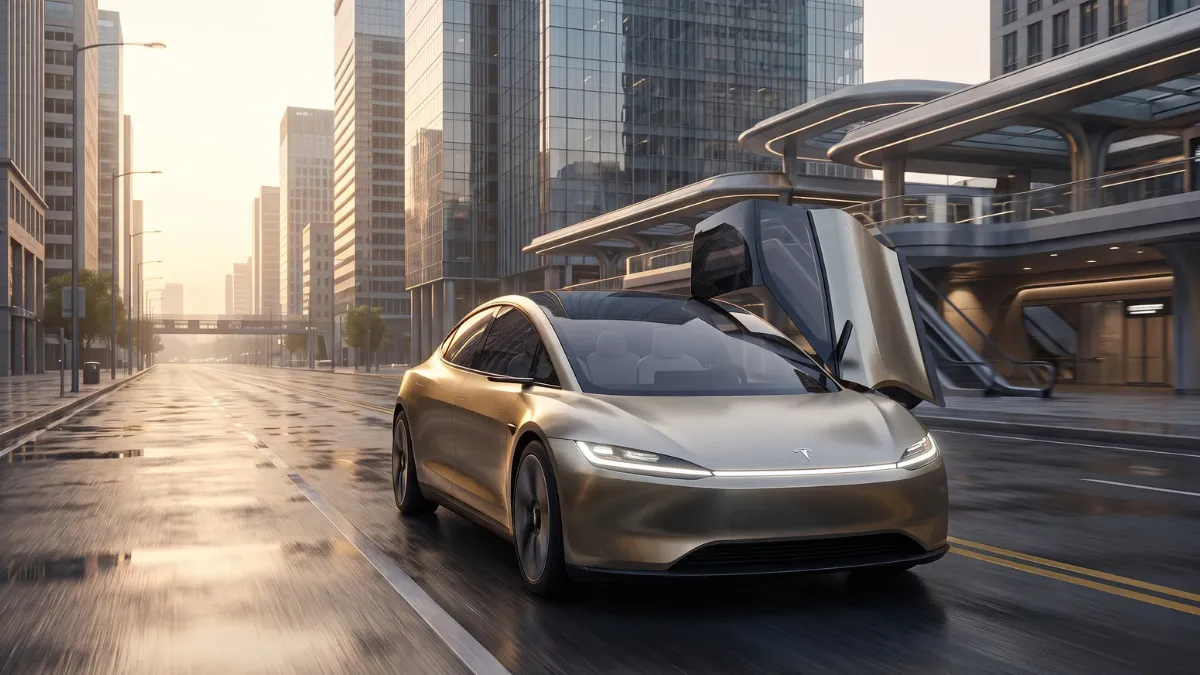
For families, the Cybercab could mean fewer expenses. No gas bills, no insurance premiums, no surprise repair costs. Imagine dropping your kids at school or heading to work without worrying about parking or traffic tickets.
For workers, it’s more complicated. Ride-hailing drivers could see their jobs vanish if Tesla’s fleet scales quickly. At the same time, new opportunities could open in fleet management, maintenance, and software oversight. The ripple effects will hit wallets across the country.
Supporters argue Tesla is finally delivering the future Silicon Valley promised—a safer, cleaner, more efficient way to move people. They point to fewer accidents, lower costs, and reduced pollution.
Critics warn the technology isn’t ready. Autonomous driving still faces regulatory hurdles, safety concerns, and public skepticism. One wrong move—a crash, a glitch, a hacked system—could erode trust overnight.
All eyes are on Sept. 3. Tesla is expected to reveal pricing, rollout plans, and which U.S. cities will get Cybercabs first. Regulators will watch closely, and competitors like Uber and Waymo will scramble to respond.
If Tesla nails the launch, the Cybercab could mark the beginning of a new era in American transportation. If it stumbles, the dream of a driverless fleet might stay stuck in neutral.

About the Author
NewsDayPlus Editorial Team
The NewsDayPlus Editorial Team creates accurate, easy-to-understand content covering cars, motorcycles, electric vehicles, automotive technology, vehicle launches, prices, reviews, and industry news.
Our team researches information from reliable and official sources and aims to keep articles useful and up to date.
We are committed to accuracy, transparency, and reader-focused automotive journalism.
For corrections or editorial questions, please contact the NewsDayPlus team through our Contact Us page.
NewsDayPlus Editorial Team
NewsDayPlus.com