
GM Brake Investigation Raises Alarming Safety Questions Nationwide
Subheadline: Regulators are probing GM’s braking systems after reports of sudden failures that could put millions of drivers at risk.
Brakes failing without warning—that’s the nightmare scenario federal regulators are investigating right now. The National Highway Traffic Safety Administration (NHTSA) has opened a formal probe into General Motors vehicles after dozens of complaints about sudden brake loss. The investigation could affect hundreds of thousands of cars and trucks across the U.S.
For GM, one of America’s most iconic automakers, the scrutiny is serious. Brakes aren’t just another component—they’re the difference between safety and disaster.
The probe centers on reports that certain GM models may experience brake assist failure, leaving drivers with reduced stopping power. That means longer braking distances and higher crash risks.
Investigators are reviewing whether the issue stems from faulty vacuum pumps or electronic brake modules. If confirmed, the defect could trigger one of the largest safety recalls GM has faced in years.
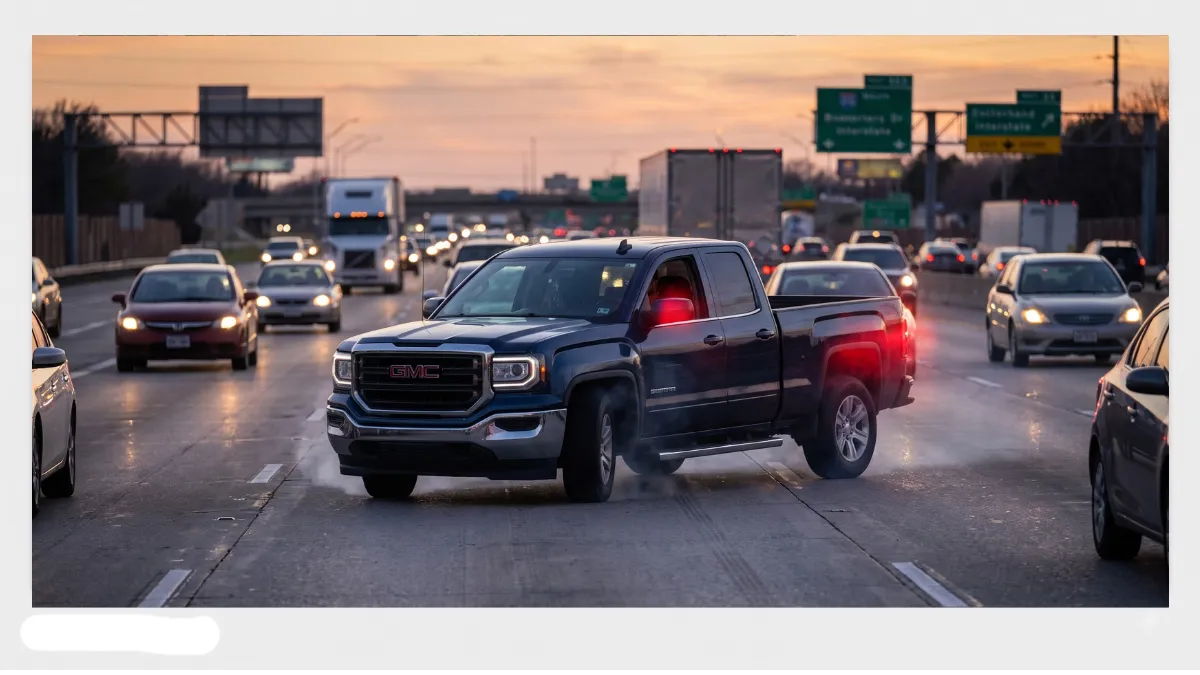
For everyday drivers, the fear is immediate. Imagine pressing your brake pedal on a crowded highway and feeling less resistance than usual. That split-second of doubt can change how you drive, how you trust your car, and how safe you feel with your family inside.
For workers who rely on GM trucks—contractors, delivery drivers, small business owners—the stakes are financial too. A recall could sideline fleets, disrupt schedules, and cut into paychecks.
Critics argue GM should have caught the problem earlier, pointing to years of complaints that didn’t trigger action. “Brake systems are not optional—they’re fundamental,” one safety advocate said.
Defenders counter that investigations are part of the process, and GM has cooperated fully with regulators. “The system is designed to identify issues before they escalate,” an industry analyst noted, adding that recalls are common across all automakers.
NHTSA will continue gathering data, including crash reports, warranty claims, and engineering analyses. If the defect is confirmed, GM could face a mandatory recall covering multiple models.
Drivers should watch for official notices in the coming weeks. In the meantime, experts advise paying attention to any unusual brake feel—longer stopping distances, harder pedals, or warning lights—and scheduling inspections if concerns arise.
When regulators investigate GM brakes, it’s not just about cars—it’s about trust in the machines that carry America forward every single day.

About the Author
NewsDayPlus Editorial Team
The NewsDayPlus Editorial Team creates accurate, easy-to-understand content covering cars, motorcycles, electric vehicles, automotive technology, vehicle launches, prices, reviews, and industry news.
Our team researches information from reliable and official sources and aims to keep articles useful and up to date.
We are committed to accuracy, transparency, and reader-focused automotive journalism.
For corrections or editorial questions, please contact the NewsDayPlus team through our Contact Us page.
NewsDayPlus Editorial Team
NewsDayPlus.com