
Gas Prices Hit $4.09, Highest August Average in U.S. History
Drivers across America are paying more than ever this week as fuel costs surge past $4 a gallon.
You’re not imagining it—gas prices just hit a record August high of $4.09 per gallon nationwide. That’s the steepest average for this month in U.S. history, according to AAA, and it’s happening right now as millions of Americans squeeze the last drops of summer travel.
The spike comes as oil markets tighten, refineries struggle with output, and global demand refuses to cool. For everyday drivers, it means one thing: filling up your tank costs more than it ever has in late summer.
Industry analysts point to a mix of factors. Crude oil prices are climbing again, driven by supply cuts from OPEC and rising demand in Asia. At the same time, extreme heat waves across the U.S. have strained refineries, limiting production and pushing wholesale prices higher.
It’s a perfect storm for consumers. When refineries slow down, gas stations raise prices to protect margins. And when oil costs rise globally, Americans feel it instantly at the pump.
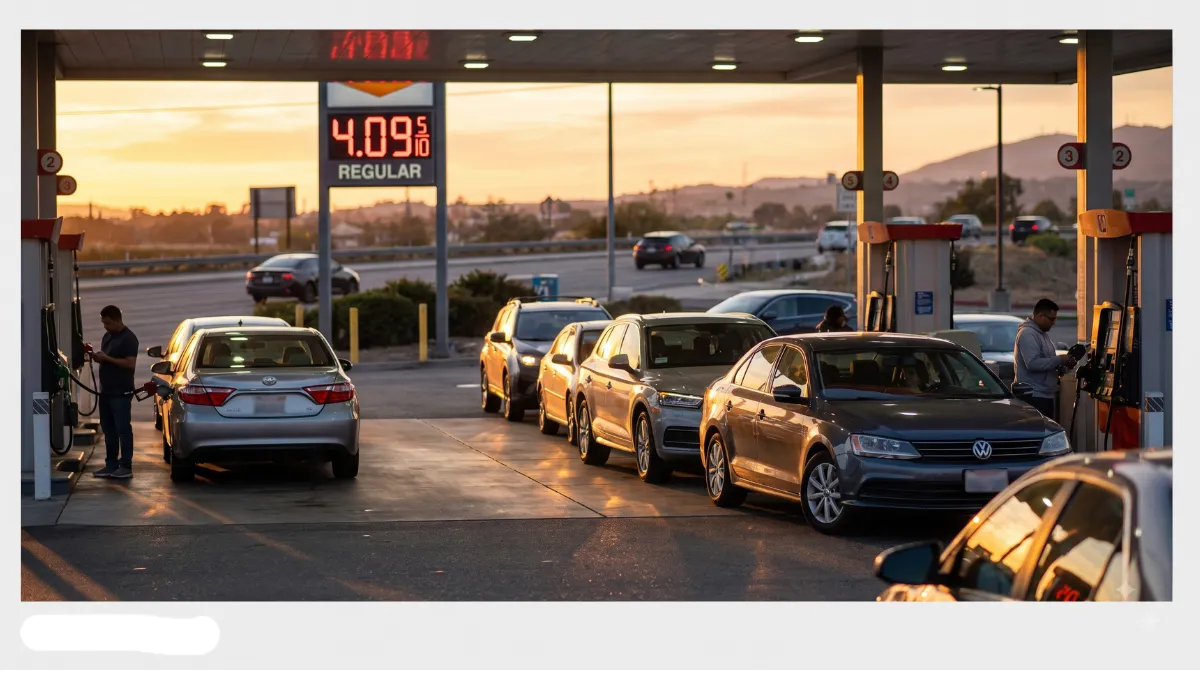
For families, the timing couldn’t be worse. Back-to-school season already stretches budgets, and now parents are paying $60 to $80 just to fill up a minivan. That’s money not going to groceries, sports fees, or weekend outings.
For workers who rely on long commutes, the pain is sharper. Truck drivers, delivery workers, and rideshare drivers are watching profits shrink as fuel eats into their paychecks. One driver in Ohio told local reporters, “I’m spending more on gas than I make in a day.”
Economists are split. Some argue the surge is temporary, a seasonal blip that will fade as demand cools in September. Others warn it’s a sign of deeper instability in global energy markets, where supply chains remain fragile and geopolitical tensions keep prices volatile.
Critics of U.S. energy policy say the country hasn’t invested enough in refining capacity, leaving Americans vulnerable to every shock. Supporters counter that renewable energy adoption is the long-term fix, even if it doesn’t help drivers today.
Analysts say watch Labor Day weekend closely. If demand spikes again, prices could climb even higher before easing in the fall. The Energy Information Administration is expected to release updated forecasts this week, giving a clearer picture of whether relief is coming.
For now, experts advise drivers to plan trips carefully, use fuel apps to find cheaper stations, and consider carpooling where possible. Small choices can shave dollars off weekly costs, even when the national average feels immovable.
Gas at $4.09 isn’t just a number—it’s a reminder that every mile you drive is tied to forces far beyond the pump.

About the Author
NewsDayPlus Editorial Team
The NewsDayPlus Editorial Team creates accurate, easy-to-understand content covering cars, motorcycles, electric vehicles, automotive technology, vehicle launches, prices, reviews, and industry news.
Our team researches information from reliable and official sources and aims to keep articles useful and up to date.
We are committed to accuracy, transparency, and reader-focused automotive journalism.
For corrections or editorial questions, please contact the NewsDayPlus team through our Contact Us page.
NewsDayPlus Editorial Team
NewsDayPlus.com