

The U.S. Department of Education has rolled out its most sweeping overhaul of federal student loans in years. Starting July 1, 2026, the rules around borrowing and repaying student loans have changed dramatically for millions of borrowers. If you’re studying in the U.S., have studied there, or are planning to in the future, here’s everything you need to know.
Why Did This Change Happen?
Education department student loans This overhaul comes from the Working Families Tax Cuts Act (earlier known as the One Big Beautiful Bill Act). The goal is to rein in rising college costs, curb over-borrowing, and simplify the repayment system. The Department of Education says the changes will save taxpayers roughly $409 billion and reduce student debt by about $224 billion.
The final rule followed a long negotiated rulemaking process and drew more than 80,000 public comments before being finalized.
1. New Loan Limits Are Now in Effect
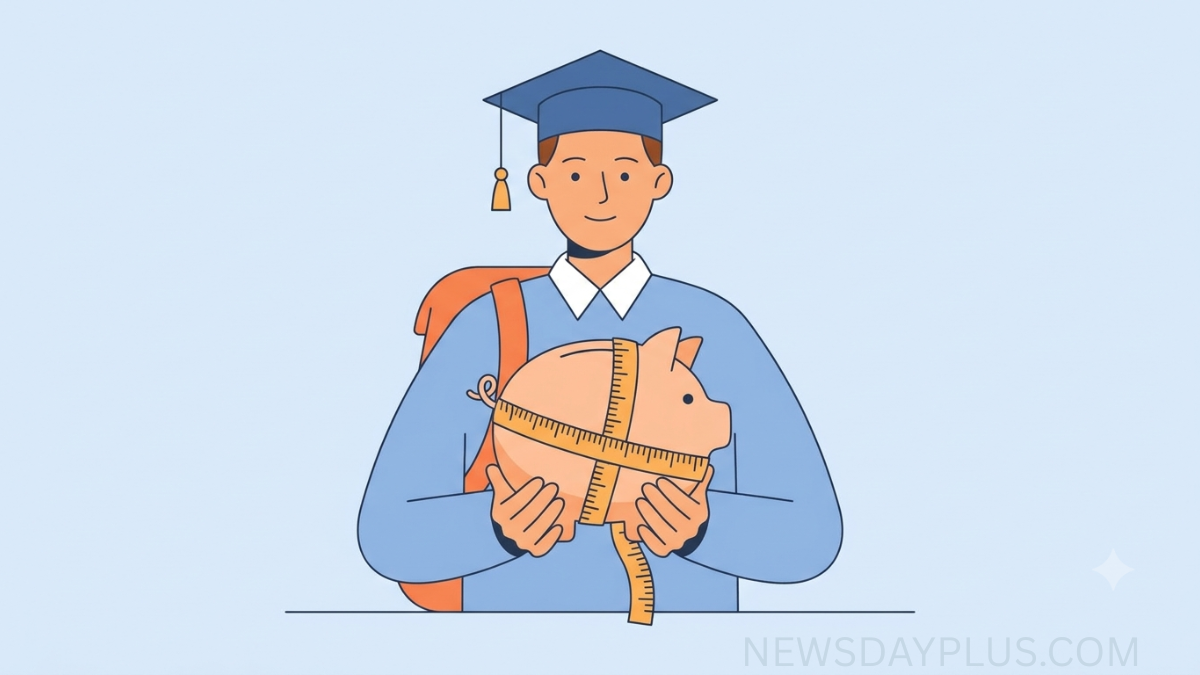
For the first time, every type of federal loan now has annual and lifetime (aggregate) borrowing limits:
- Graduate students: up to $20,500 per year, with a $100,000 aggregate cap
- Professional students (law, medicine, etc.): up to $50,000 per year, with a $200,000 aggregate cap
- Parent PLUS loans: a new $20,000 annual cap and a $65,000 lifetime cap per dependent
Previously, graduate students could borrow up to the full cost of attendance, which contributed to rising tuition. These new caps are meant to slow that trend.
2. Grad PLUS Loans Are Ending
The Graduate PLUS Loan program has been eliminated for new borrowers as of July 1, 2026. However, students who had already taken out a loan before that date get relief under a “legacy provision” — as long as they stay in the same program at the same school.

3. Two New Repayment Plans: RAP and Tiered Standard
Several older repayment plans are being replaced with just two options for new borrowers:
Repayment Assistance Plan (RAP) — an income-driven plan where the monthly payment is based on the borrower’s income and number of dependents.
Tiered Standard Plan — a new fixed-type repayment plan replacing the old Standard Plan.
Borrowers who took out loans before July 1, 2026 can still stay on their existing Standard, IBR, Graduated, or Extended plans, or choose to switch to the new RAP if they prefer.
4. A Major Court Ruling on the SAVE Plan
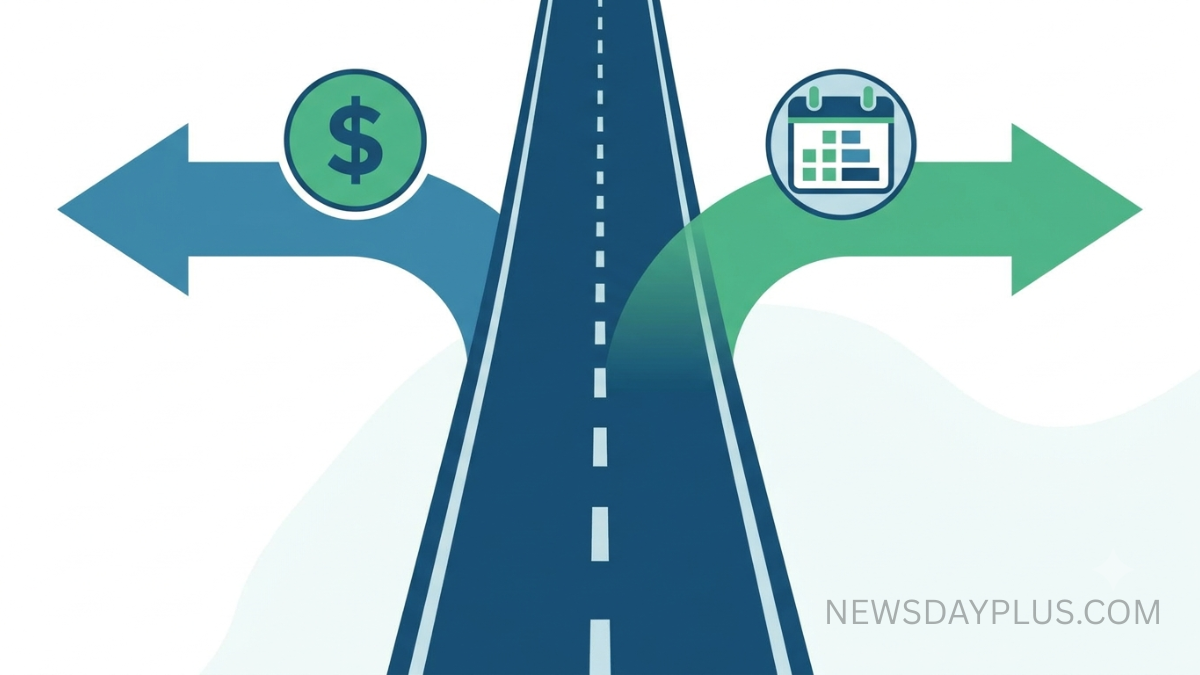
On March 10, 2026, a federal court blocked the Department of Education from implementing the SAVE Repayment Plan. Following that, the Department announced that starting July 1, 2026, loan servicers would begin notifying borrowers still on SAVE that they must switch to a legal repayment plan within 90 days. Anyone who doesn’t switch in time will be automatically enrolled in the Standard plan or the new Tiered Standard plan.
In addition, plans like PAYE and ICR are being phased out — borrowers on those plans have until July 1, 2028 to move to another plan.
5. An Interest Rate Break for Auto-Pay Borrowers
There’s also some good news: borrowers who enroll in auto pay will get a 1% interest rate reduction starting July 1, 2026. Anyone enrolled by September 30, 2026 will keep that discount through June 30, 2028.

6. Pell Grant Eligibility Expands
Starting July 1, 2026, students will also be able to receive Pell Grants for short-term educational programs that lead to high-skill, high-wage, in-demand jobs — not just traditional degree programs, as was previously the case.
What Should Borrowers Do Right Now?
- Contact your loan servicer to find out which plan you’re currently on and whether you need to make a change.
- If you’re on SAVE, PAYE, or ICR, consider switching to a new plan proactively instead of waiting out the 90-day deadline.
- If you’re not enrolled in auto pay, sign up to take advantage of the 1% interest rate discount.
- Before taking out any new loans, make sure you understand the new annual and lifetime borrowing limits.
Bottom Line
The U.S. student loan system is going through what may be its biggest transformation in a decade. Changes to loan limits, repayment plans, and the end of Grad PLUS will directly affect millions of current and future borrowers. Staying informed and acting early can help you avoid unnecessary stress from these changes.
Note: This article is for general informational purposes. For advice specific to your situation, always check with your loan servicer or the official Federal Student Aid website (studentaid.gov).

## Sources
– U.S. Department of Education (ed.gov)
– CBS News
– TICAS
– The College Investor
– Harvard SFS

About the Author
Aparna is the founder and editor of NewsDayPlus, where he covers breaking U.S. news, Social Security updates, finance, stock market trends, technology, consumer affairs, and major national events. He researches information from official government agencies, company announcements, and reputable news sources to produce accurate, fact-checked, and reader-friendly articles. His mission is to make complex topics simple, reliable, and useful for everyday readers across the United States.