
Kai Sato Adrift at Sea: How a Broken Mast Turned Into a Month-Long Survival Story
A solo sailing trip turned into a real-life survival story. Kai Sato, a 39-year-old man from California, spent more than a month stranded at sea before he was finally rescued near Hawaii.
His story has spread fast online. People want to know how he survived, what went wrong, and how he was found. Here’s the full breakdown.
Who Is Kai Sato?
Kai Sato is a 39-year-old sailor from California. He set out to complete his first solo sail across the Pacific Ocean.
He left from the Catalina Islands on June 7. His goal was to reach Hawaii on his own, a trip that takes real skill and a lot of nerve.
He didn’t make it there the way he planned.
What Went Wrong at Sea
About two weeks into the trip, Sato’s mast snapped. A mast is the tall pole that holds up a boat’s sails. Without it, a sailboat can’t catch wind the normal way.
This left him stuck in open water, far from shore and far from help.
He Tried to Motor Back
Sato tried to turn on his boat’s motor to get back to land. But he ran out of gas before he could make it anywhere close to shore.
That left him drifting with no power and no sail. Ocean currents pushed him further south, off the path he had planned.
He described feeling stuck in place while the current carried him the wrong way, like he had no control over where he was headed.
A Dark Moment, Then a Decision to Fight
The weeks alone took a heavy emotional toll. Sato has spoken openly about how hopeless things felt during that stretch, including thoughts of giving up entirely.
After several days of sitting with those feelings, something shifted. He decided to fight for his life instead.
That decision led him to try something most people would never think to attempt.
How He Rebuilt His Sail With Spare Parts
Sato didn’t have proper tools or replacement parts. So he improvised.
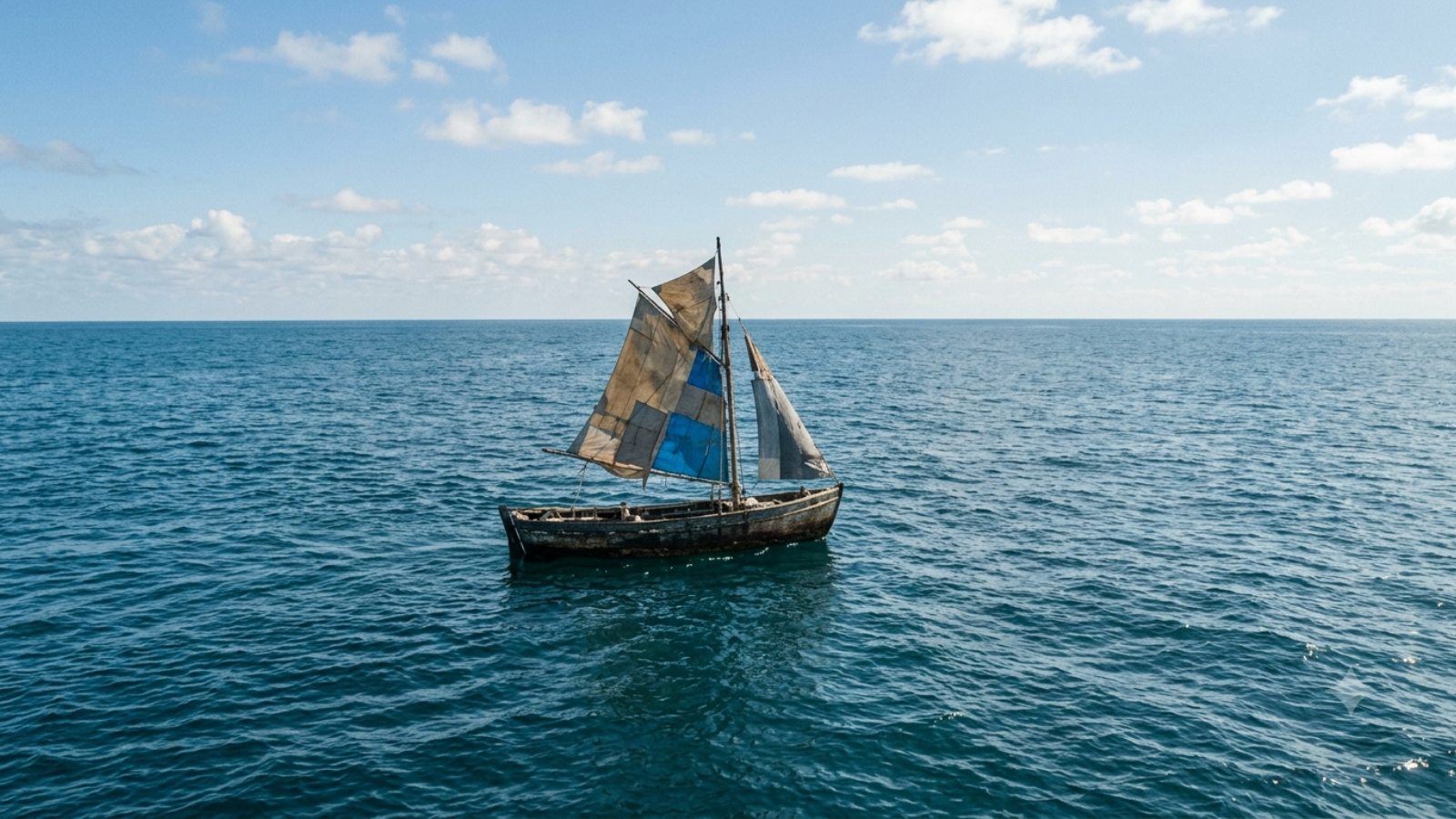
He used PVC pipes and kayak paddles to rig up a new sail system. It wasn’t pretty, but it worked well enough to catch wind again.
This makeshift fix took real patience and problem-solving under pressure. It also took about a month of slow, steady sailing to get his boat back toward the shipping lane between California and Hawaii.
Running Out of Water
Getting the boat moving again solved one problem. But by July 11, Sato ran out of drinking water.
He came up with a way to collect fresh water from the ocean. He filled buckets with seawater, then sealed them with plastic bags to trap the condensation that formed inside.
That collected condensation became his only source of drinking water for a stretch of time.
What He Ate to Survive
Food was just as scarce. Sato mostly ate oatmeal along with fish and squid that happened to land on his boat.
It wasn’t much, but it was enough to keep him going while he waited for a way out.
Finding Strength Through Memory and Meditation
Sato has talked about how he got through the mental side of being alone at sea for so long. He meditated. He talked to the wind and the water. He called out for guidance.
He also felt a strong connection to his uncle during the ordeal. Years earlier, his uncle had completed the same California-to-Hawaii sailing route with him when Sato was just a boy.
That memory seemed to give him something to hold onto during the hardest stretches.
The Rescue: A Cargo Ship Appears
After weeks of drifting and rebuilding, Sato’s persistence paid off. A Pasha Hawaii cargo ship came into view.
The ship’s crew tried to help him aboard. It took two attempts before they successfully dropped a rope ladder down to his boat.
Sato climbed up and was finally safe.
Life Aboard the Rescue Ship
Once aboard, the crew treated him well. They gave him a suite to stay in, along with clean clothes and plenty of food, including fresh fruit and water.
Sato has described the moment as overwhelming in the best way. After more than a month of hardship, kindness from strangers hit hard.
What Happens Next for Kai Sato
Sato is now staying with a relative in Hawaii and recently checked into a hotel to rest and recover.
Even after everything he went through, he’s already planning his next sailing trip. This time, he wants to sail to the Philippines, and he plans to use a bigger boat.
Key Takeaways
- Kai Sato, 39, left California’s Catalina Islands on June 7 for a solo sail to Hawaii.
- His mast snapped about two weeks into the trip, and he later ran out of motor fuel too.
- He spent over a month drifting before rebuilding a working sail from PVC pipes and kayak paddles.
- He ran out of drinking water on July 11 and survived by collecting condensation from seawater.
- He ate mostly oatmeal, fish, and squid during the ordeal.
- A Pasha Hawaii cargo ship rescued him after spotting his boat.
- He’s now recovering in Hawaii and already planning a future sail to the Philippines.
FAQs
How long was Kai Sato lost at sea? Sato drifted for more than a month after his mast broke roughly two weeks into his solo sailing trip from California to Hawaii.
What caused Kai Sato to get stranded? His sailboat’s mast snapped, and when he tried to motor back to shore, he ran out of fuel. That left him drifting with the ocean current.
How did Kai Sato survive without water? He collected seawater in buckets, covered them with plastic bags, and drank the condensation that formed inside as the water evaporated.
What did Kai Sato eat while stranded? He mostly ate oatmeal along with fish and squid that ended up on his boat.
Who rescued Kai Sato? A Pasha Hawaii cargo ship spotted his boat and rescued him. The crew dropped a rope ladder so he could climb aboard.
Is Kai Sato planning another sailing trip? Yes. He says he wants to sail to the Philippines next, this time in a bigger boat.
Internal Linking Suggestions
- Link to a story about hurricane preparedness in Hawaii for readers interested in ocean safety.
- Link to coverage of other rescue-at-sea stories from your site’s archive.
- Link to a guide on basic boating and sailing safety tips.
- Link to a piece on mental health and resilience during survival situations.
External Authoritative Source Suggestions
- U.S. Coast Guard (uscg.mil) for official guidance on maritime safety and rescue procedures.
- National Weather Service (weather.gov) for Pacific Ocean conditions and marine forecasts.
- NOAA (noaa.gov) for information on ocean currents and open-water survival science.
Conclusion
Kai Sato’s story is a reminder of how fast things can go wrong at sea, and how far people can go to survive. A snapped mast and empty gas tank left him drifting for over a month. Instead of giving up, he rebuilt his sail with whatever he had on hand and found a way to keep drinking water and eating.
His rescue by the Pasha Hawaii crew closed out a month most people can’t imagine living through. Now, he’s resting in Hawaii, and true to form, he’s already thinking about his next trip out on the water.
If you or someone you know is struggling with thoughts of suicide, help is available. You can call or text 988 to reach the Suicide & Crisis Lifeline anytime, day or night.

About the Author
Aparna is the founder and editor of NewsDayPlus, where he covers breaking U.S. news, Social Security updates, finance, stock market trends, technology, consumer affairs, and major national events. He researches information from official government agencies, company announcements, and reputable news sources to produce accurate, fact-checked, and reader-friendly articles. His mission is to make complex topics simple, reliable, and useful for everyday readers across the United States.