
17 States Under Power Grid Emergency: What It Means for You
US Power Grid Emergency: Why 17 States Are Under Alert Right Now
Millions of Americans are feeling the heat this summer. And it’s not just outside.
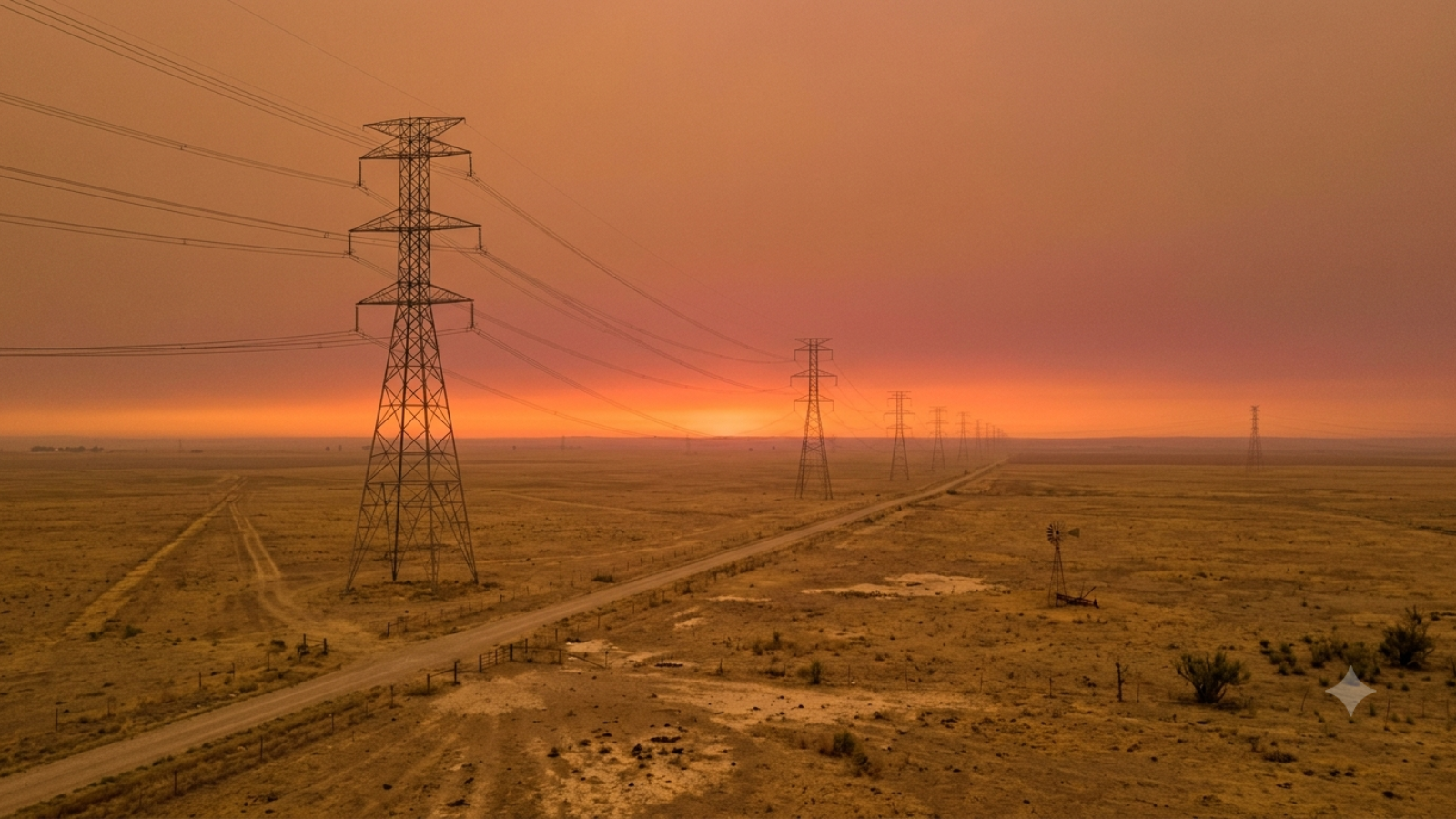
The nation’s power grid is under real pressure. On July 27, 2026, the U.S. Department of Energy issued an emergency order covering a huge stretch of the country. From North Dakota all the way down to Louisiana, 17 states are now under watch.
Here’s what happened, why it matters, and what it means for your home.
What Is the Power Grid Emergency Order?
The Department of Energy (DOE) issued an emergency order to the Southwest Power Pool, or SPP. SPP is the group that manages electricity across a large chunk of the central United States.
The order authorized the grid operator serving parts of 17 states to deploy idle power sources to help prevent heat wave blackouts. This region isn’t small. It covers a territory that is home to 20 million people. Hawaii Tribune-HeraldHawaii Tribune-Herald
In plain terms, the government gave SPP permission to turn on backup power plants that normally sit unused. This helps keep the lights on when regular demand gets too high.
Why Did This Happen?
The short answer is heat. But there’s more to it.
SPP warned that emergency conditions are likely to persist during peak-demand periods, pointing to the region’s vulnerability to power plant outages, declines in wind generation, and disruptions in imported electricity. Hawaii Tribune-Herald
So it’s not just one problem. It’s a mix of things happening at the same time:
- Extreme heat pushing up air conditioning use
- Power plants going offline unexpectedly
- Less wind energy than usual
- Trouble importing electricity from nearby regions
When all these things stack up, the grid gets stretched thin.
What Can SPP Do Now?
This order gives SPP more tools to work with. It directs SPP to dispatch specified generation units and to order their operation as needed to maintain reliability. Department of Energy
There’s also a backup plan built in. The order authorizes SPP to direct backup generation resources to operate as a last resort before declaring an Energy Emergency Alert (EEA) 3, or during an EEA 3. Department of Energy
An EEA 3 is the highest level of grid emergency. It’s the point right before rotating power outages, sometimes called rolling blackouts.
Which States Are Affected?
SPP’s coverage area stretches across the middle of the country. It runs from North Dakota to Louisiana. Hawaii Tribune-Herald
That includes states like:
- North Dakota
- South Dakota
- Nebraska
- Kansas
- Oklahoma
- Texas (parts)
- Louisiana (parts)
- Minnesota (parts)
- Missouri (parts)
- Arkansas (parts)
- New Mexico (parts)
Not every resident in these states is under equal risk. SPP only manages parts of some of them. If you’re unsure whether your area is covered, check with your local utility provider directly.
This Isn’t the Only Grid Under Stress
SPP isn’t alone this summer. Other major grid operators have faced similar heat-driven strain.
SPP is the regional grid operator for 17 states in the central United States, and it also sought authority to unlock and deploy backup generation resources at data centers and other large-load industrial and commercial customer sites. The Epoch Times
Just weeks earlier, a different grid faced its own emergency. The Energy Department issued an emergency order authorizing power plants in the PJM Interconnection region, which serves 67 million people across 13 states, to operate at maximum levels and exceed some environmental requirements. Bloomberg
PJM is the largest grid operator in the country. It expected electricity demand to reach about 166,147 megawatts, which would surpass the previous summer record of 165,563 megawatts set back in 2006. Fox Business
That record was set almost 20 years ago. Beating it shows just how much demand has grown.
Why Is Demand So High This Year?
A few trends are colliding at once.
Electricity demand is accelerating after years of relatively flat growth, driven by widespread air conditioning use during extreme heat, expanding artificial intelligence data centers, and broader electrification trends. Fox Business
Data centers are a big piece of this puzzle. AI tools and cloud computing need huge amounts of power to run. Add in more electric vehicles and more homes switching to electric heating and cooling, and the grid is simply working harder than it used to.
What the Government Is Saying
Energy Secretary Chris Wright has been vocal about these emergency actions. He said the administration is tapping into an abundant supply of unused backup generation to maintain affordable, reliable, and secure power for hardworking American families and businesses. Hawaii Tribune-Herald
Officials have also pointed to long-term policy as part of the problem. The DOE said past policies weakened the U.S. power grid, leaving Americans vulnerable during emergency events. The Epoch Times
Not everyone agrees with how these emergency powers are being used. Some states have already challenged or requested rehearing on some of these federal orders. This is an ongoing and evolving policy debate, and reasonable people disagree on the best long-term fix for grid reliability. Georgetownclimate
What This Means for Your Home
An emergency order doesn’t automatically mean your power will go out. It’s more like a warning sign. It gives grid operators extra tools so they can avoid outages, not a guarantee that outages are coming.
Still, it’s smart to be prepared. Here’s what you can do.
Simple Steps to Prepare
- Charge your devices ahead of expected peak-demand hours, usually late afternoon into early evening.
- Set your thermostat a few degrees higher during peak hours if you can tolerate it.
- Avoid running major appliances like dryers or dishwashers during peak hours.
- Keep a basic emergency kit with water, flashlights, and batteries on hand.
- Sign up for alerts from your local utility so you know about any planned outages early.
These small changes can ease pressure on the grid and lower your own energy bill at the same time.
Key Takeaways
- The Department of Energy issued an emergency order covering parts of 17 states served by the Southwest Power Pool.
- The order lets SPP use backup power plants that normally sit unused.
- Extreme heat, plant outages, low wind generation, and import issues are all straining the grid at once.
- This follows a similar emergency order for the PJM grid, which serves 67 million people.
- Rising demand is tied to heat, AI data centers, and more electric vehicles and appliances.
- An emergency order is a precaution, not a guarantee of blackouts.
- Simple steps like shifting appliance use to off-peak hours can help.
FAQs
What does a power grid emergency order actually do?
It gives the grid operator extra legal authority to turn on backup power plants and manage electricity supply more aggressively than usual. This helps avoid blackouts during high-demand periods.
Will my power definitely go out because of this order?
Not necessarily. The order is meant to prevent outages, not cause them. It gives operators more tools to keep the system stable.
What is an EEA 3 alert?
EEA 3 stands for Energy Emergency Alert Level 3. It’s the highest emergency level a grid operator can declare, and it usually comes right before rotating outages if conditions don’t improve.
Why is the grid under so much stress this year?
A combination of extreme heat, aging power plants, lower wind output, and rapidly growing demand from data centers and electrification is putting more pressure on the system than in past years.
How can I find out if my state is affected?
Check with your local electric utility company. They can tell you whether your area falls under SPP, PJM, or another regional grid operator, and whether any local alerts are in effect.
Conclusion
The power grid emergency across 17 states is a sign of just how much pressure summer heat and rising demand are putting on America’s energy system. It’s not a reason to panic, but it is a good reminder to stay prepared. Keep an eye on alerts from your local utility, cut back on energy use during peak hours when you can, and know that grid operators have tools in place to keep the lights on.

About the Author
Aparna is the founder and editor of NewsDayPlus, where he covers breaking U.S. news, Social Security updates, finance, stock market trends, technology, consumer affairs, and major national events. He researches information from official government agencies, company announcements, and reputable news sources to produce accurate, fact-checked, and reader-friendly articles. His mission is to make complex topics simple, reliable, and useful for everyday readers across the United States.