
Trump’s New Tariffs 2026: What Changes Today & Who Pays
Trump just placed new tariffs on 60 countries. Here’s a simple breakdown of what changed today, which countries are hit, and what it means for your wallet. Big trade news today: the US just hit 60 countries with new tariffs. Here’s what changed, who’s affected, and what it could mean for prices at the store. 🇺🇸📦
What Happened Today
The United States rolled out a huge new round of tariffs today. These new import taxes hit 60 countries, covering almost every dollar of goods that comes into America.
This is one of the biggest trade moves of Donald Trump’s second term. It replaces an older set of temporary tariffs that expired at midnight.
If you buy anything from overseas, from clothes to electronics to coffee, this news probably affects you in some way.
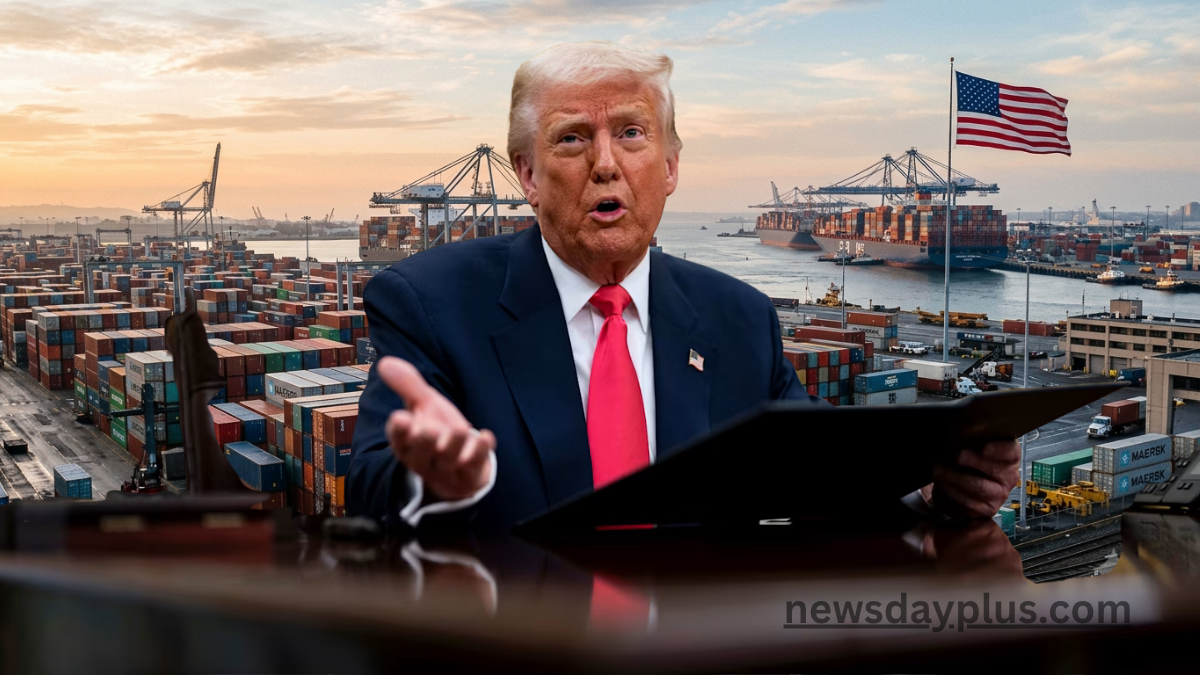
Why Trump Added New Tariffs
The White House says these tariffs are about forced labor. Officials claim many countries have not done enough to stop goods made with forced labor from entering the US supply chain.
US Trade Representative Jamieson Greer said the country has enforced a forced labor import ban for almost 100 years. He says it’s time trading partners caught up.
But there’s more going on behind the scenes. Earlier this year, the Supreme Court struck down Trump’s earlier round of sweeping tariffs. Those tariffs were built on emergency powers the Court said the president didn’t have.
So instead of using emergency powers again, the administration switched to a different law: Section 301 of the Trade Act of 1974. This law lets the president tax imports from countries seen as unfair trade partners. It has survived legal challenges before, including tariffs on China during Trump’s first term.
Some trade experts see this as a workaround. Columbia Business School economist Laura Veldkamp called it an attempt to “resurrect the original tariffs under some other guise.”
Which Countries Are Affected
The new tariffs cover about 99% of everything the US imports. That’s nearly the entire world of US trade.
Here’s how the rates break down:
10% Tariff Countries
About 17 countries face a 10% tariff because they had already put some forced-labor rules in place. This group includes:
- Canada
- Mexico
- United Kingdom
- IndiaArgentina
- Bang
- ladesh
- Indonesia
- Pakistan
12.5% Tariff Countries
Around 38 countries face the higher 12.5% rate. The government says these countries did not enforce forced-labor import bans at all.
Mixed Rate Countries
A handful of major economies, including the European Union, Japan, South Korea, Taiwan, and Switzerland, face rates that shift between 10% and 12.5% depending on the specific product.
When the Tariffs Start
The new tariffs kicked in at 12:01 a.m. Eastern time. That’s the exact moment the old temporary 10% worldwide tariffs expired.
The timing wasn’t an accident. The administration wanted a new tariff system ready to go the second the old one ran out, so there was no gap where imports came in tax-free.
How This Could Affect Prices
Tariffs are taxes. Companies that import goods usually pay them first. Many of those companies then raise prices to cover the extra cost.
That means everyday items could get more expensive over time, including:
- Clothing and shoes
- Electronics and appliances
- Coffee, tea, and other imported food
- Cars and car parts
- Furniture
Not every price will jump right away. Some companies absorb costs for a while before passing them on. But higher import taxes almost always show up in stores eventually.
What Other Countries Are Saying
Reaction has been mixed and, in some cases, tense.
Canadian Prime Minister Mark Carney pushed back hard. He accused the US of breaking the terms of the US-Mexico-Canada trade agreement after Trump added a separate 50% tariff on some Canadian products. Still, Carney said Canada would try to “engage intensively” to solve the issues.
Trade groups in other countries have hinted they may challenge specific tariff decisions in court, especially if they feel a country was judged unfairly.
Legal Uncertainty Isn’t Over
Even though Section 301 has held up in court before, experts warn this new wave of tariffs could still face legal fights.
Wendy Cutler, a former US trade official now with the Asia Society Policy Institute, said individual countries could challenge how they were judged. That kind of legal battle can drag on for months or years, leaving businesses stuck not knowing what rules will apply next.
More Tariffs May Be Coming
This might not be the end of it. The US Trade Representative’s office is already looking into a separate issue. Officials are investigating whether 16 countries, responsible for about 70% of US imports, have been overproducing goods and pushing prices down unfairly.
If that investigation leads to action, it could mean another round of tariffs down the road.
Key Takeaways
- The US placed new tariffs of 10% to 12.5% on 60 countries starting today.
- The tariffs replace an earlier temporary 10% tariff that expired at midnight.
- The stated reason is weak enforcement of forced-labor import bans.
- The tariffs use Section 301 of the Trade Act of 1974, a law that has survived past court challenges.
- Major partners like Canada, Mexico, the UK, the EU, and India are all affected.
- Consumers may see higher prices on clothing, electronics, food, and cars over time.
- More tariffs could be coming from a separate ongoing trade investigation.
FAQs
- Q: What countries have the highest new tariffs? About 38 countries face the top rate of 12.5%, since officials say they didn’t enforce forced-labor import bans at all.
- Q: Why did Trump use Section 301 instead of his earlier tariff method? The Supreme Court struck down his earlier tariffs, which were based on emergency powers. Section 301 is a different law that gives the president authority to tax unfair trade partners, and it has held up in court before.
- Q: Will prices go up right away? Not immediately for everything. Some companies may absorb the extra cost for a while, but tariffs typically lead to higher prices over time.
- Q: Is Canada affected by these tariffs? Yes. Canada faces the 10% tariff rate, on top of a separate 50% tariff on certain goods that was already causing tension between the two countries.
- Q: Could these tariffs be challenged in court? Yes. Trade experts say individual countries may dispute how they were classified, which could lead to lengthy legal battles.
Conclusion
Today’s tariff announcement is a major shift in US trade policy. It touches nearly every country America trades with and could shape prices, jobs, and international relationships for months to come.
Trade rules like this rarely stay simple. Expect more updates, legal challenges, and possibly even more tariffs as this story develops. Keeping an eye on official announcements from the US Trade Representative’s office is the best way to stay ahead of what comes next.
Suggested External Authoritative Sources
Office of the United States Trade Representative (ustr.gov)
Reuters Business & Trade coverage
Associated Press trade policy reporting
U.S. Supreme Court official opinions (supremecourt.gov)

About the Author
Aparna is the founder and editor of NewsDayPlus, where he covers breaking U.S. news, Social Security updates, finance, stock market trends, technology, consumer affairs, and major national events. He researches information from official government agencies, company announcements, and reputable news sources to produce accurate, fact-checked, and reader-friendly articles. His mission is to make complex topics simple, reliable, and useful for everyday readers across the United States.