

JPMorgan shipbuilding investment is gaining attention as banks increase financing for green ships, LNG carriers, and shipyard expansion. Learn the key trends, opportunities, and risks for investors in 2026 and beyond.
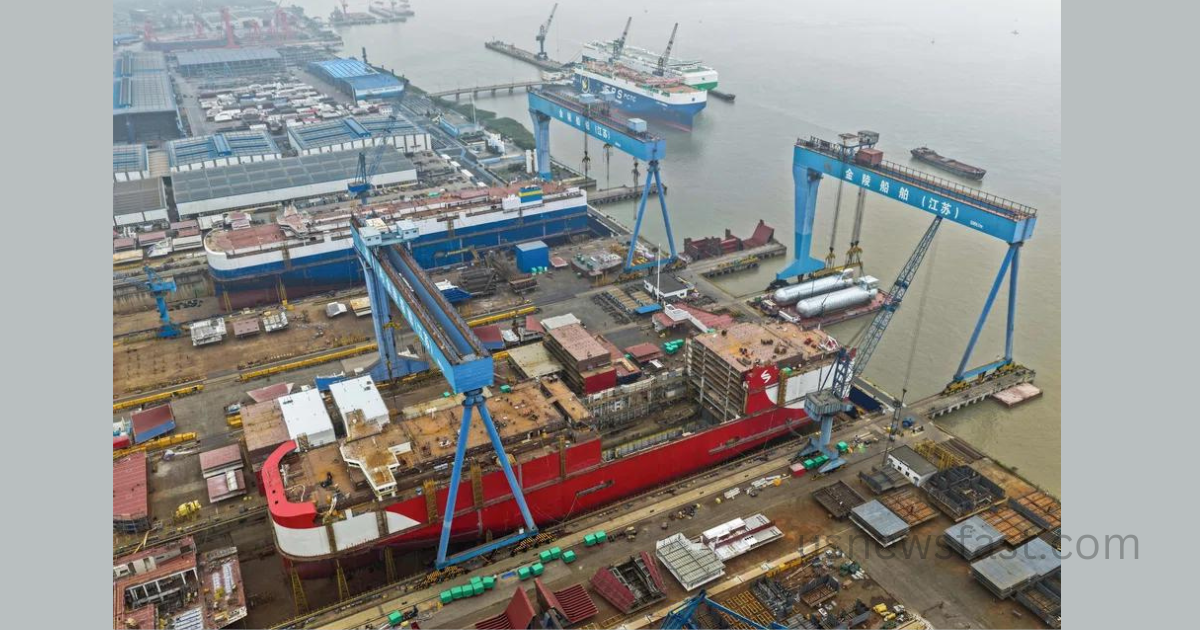
The global shipbuilding industry is back in focus, and one topic that is attracting significant attention is JPMorgan shipbuilding investment. Investors, shipping companies, and governments are closely watching how major financial institutions are increasing their exposure to shipyards, maritime infrastructure, and next-generation vessels.
In this article, we will explain why JPMorgan’s interest in shipbuilding matters, how it could affect global trade, and what it means for investors looking at maritime and infrastructure opportunities.
Why Is JPMorgan Looking at Shipbuilding?
JPMorgan has long been active in infrastructure financing, energy projects, and transportation assets. Shipbuilding fits into all three categories because modern vessels are becoming more technologically advanced and capital-intensive.
A single LNG carrier or large container ship can cost $150 million to $300 million or more, and shipyards often require billions of dollars in financing to expand capacity. Banks such as JPMorgan can participate through:
-
Project finance
-
Corporate lending
-
Infrastructure investment funds
-
Green shipping bonds
-
Maritime leasing structures
The renewed interest comes at a time when global trade volumes are recovering and fleets need modernization.
The Real Drivers Behind the Investment
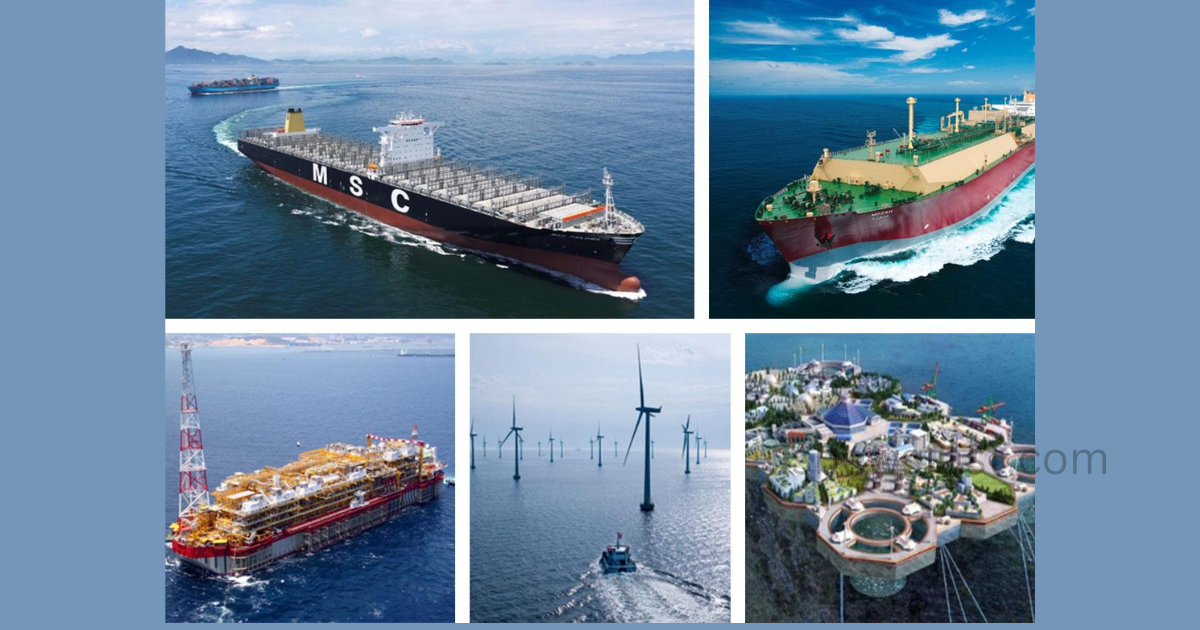
1. Aging Global Fleet
Many commercial ships are more than 15–20 years old. Older vessels consume more fuel and are less efficient, creating strong demand for replacement orders.
2. Environmental Regulations
The International Maritime Organization (IMO) has introduced stricter emissions targets. Shipowners are now ordering vessels that can run on:
-
LNG
-
Methanol
-
Ammonia (future-ready designs)
-
Hybrid propulsion systems
These “green ships” require significant upfront investment, creating opportunities for large financial institutions.
3. Geopolitical Supply Chain Shifts
Countries are trying to reduce dependence on a small number of shipbuilding hubs. Investments in shipyards and maritime infrastructure are increasingly being viewed as strategic national assets.
How Shipbuilding Financing Works
|
Area |
Typical Investment Size |
|---|---|
|
New ship construction |
$50M–$300M |
|
Shipyard expansion |
$500M–$5B |
|
Green vessel financing |
$100M–$1B+ |
|
Maritime infrastructure |
$1B–$10B+ |
JPMorgan and other global banks typically finance these projects alongside export credit agencies, sovereign funds, and private investors.
Which Shipbuilding Segments Are Attracting Capital?
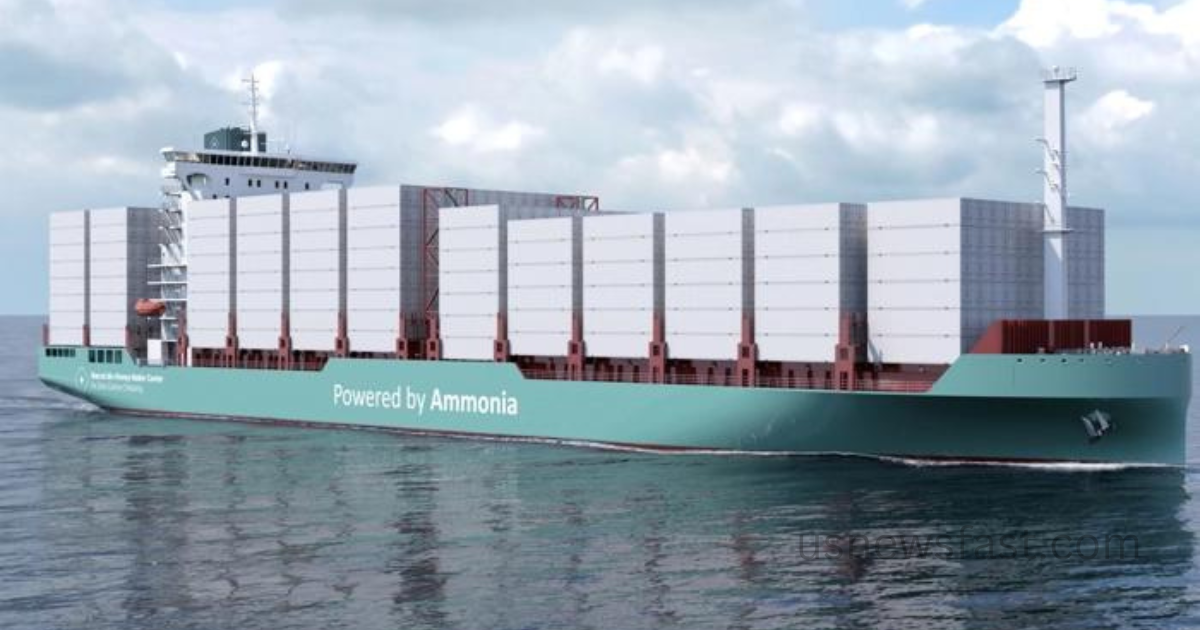
LNG Carriers
Demand for LNG transport has surged as countries diversify energy supplies.
Container Ships
E-commerce and global manufacturing continue to support long-term container shipping demand.
Offshore Wind Vessels
The rapid expansion of offshore wind farms requires specialized installation and maintenance ships.
Naval and Strategic Shipbuilding
Governments in the U.S., Europe, and Asia are increasing defense-related shipbuilding spending.
What This Means for Global Trade
A wave of shipbuilding investment could have several economic effects:
Global trade impact
-
More shipping capacity: could reduce freight rate volatility over time.
-
Faster fleet modernization: improves fuel efficiency and lowers operating costs.
-
Stronger shipyard activity: creates jobs in steel, engineering, electronics, and logistics.
-
Greater energy security: especially through LNG and offshore energy infrastructure.
For exporters and importers, lower transportation costs can eventually translate into more competitive pricing and improved supply chain reliability.
Should Investors Pay Attention?
Investors searching for “JPMorgan shipbuilding investment” are often trying to identify sectors that could benefit from a multi-year capital expenditure cycle.
Areas worth monitoring include:
-
Shipbuilding companies
-
Marine engine manufacturers
-
LNG infrastructure providers
-
Offshore wind equipment suppliers
-
Maritime software and automation firms
-
Industrial steel producers
However, shipbuilding is a cyclical industry. Orders can rise quickly during strong trade periods and slow sharply during global downturns.
Key Risks
Before assuming unlimited growth, investors should consider:
-
Global recession risk: lower trade volumes can reduce new ship orders.
-
Interest rate pressure: higher borrowing costs make vessel financing more expensive.
-
Shipyard capacity constraints: long delivery times can affect project economics.
-
Technology uncertainty: the industry has not yet settled on a single zero-emission fuel.
These factors will influence how aggressively banks and infrastructure funds continue investing.
The Bigger Picture: A 10-Year Maritime Investment Theme?
Many analysts believe the maritime sector is entering a long-term replacement and modernization cycle. If that happens, financial institutions such as JPMorgan could play a major role in funding:
-
Green shipping corridors
-
Low-emission vessel fleets
-
Smart ports
-
Offshore energy infrastructure
-
Advanced shipyard automation
This is not just a shipping story—it is also an energy, infrastructure, and industrial transformation story.
Final Thoughts
The growing interest around JPMorgan shipbuilding investment highlights how important maritime infrastructure has become for the global economy. Rising environmental standards, aging fleets, and shifting geopolitical priorities are creating a new wave of demand for ships and shipyard capacity.
While the exact size and structure of JPMorgan’s future shipbuilding exposure will evolve over time, the broader trend is clear: major financial institutions are positioning themselves around the modernization of global shipping.
For investors, business owners, and anyone following infrastructure trends, shipbuilding is once again a sector worth watching closely over the next decade.

About the Author
Aparna is the founder and editor of NewsDayPlus, where he covers breaking U.S. news, Social Security updates, finance, stock market trends, technology, consumer affairs, and major national events. He researches information from official government agencies, company announcements, and reputable news sources to produce accurate, fact-checked, and reader-friendly articles. His mission is to make complex topics simple, reliable, and useful for everyday readers across the United States.