
What Happened?
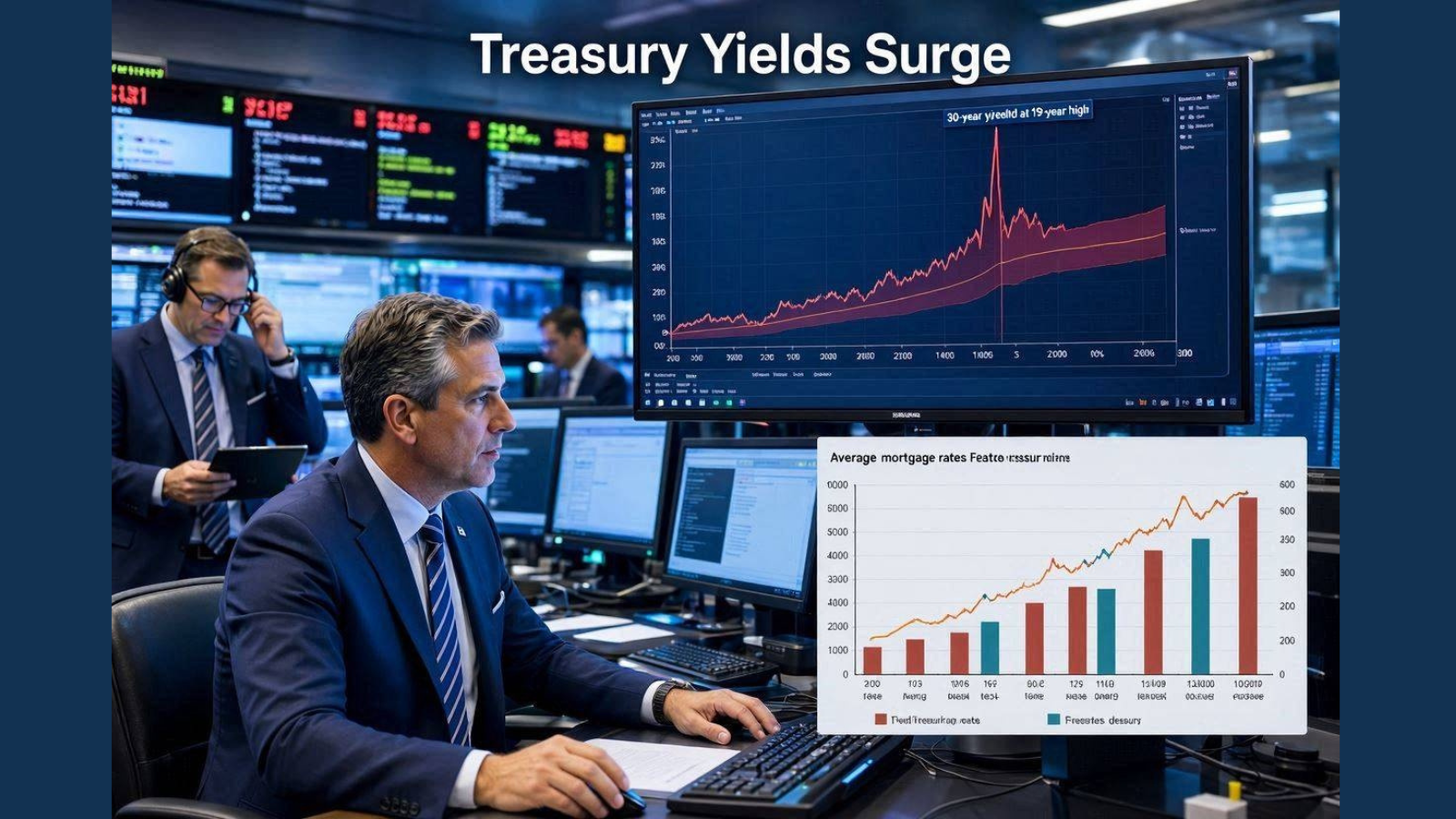
The Federal Reserve voted 9–3 to keep the federal funds rate unchanged at 3.5%–3.75%. Despite the pause, long‑term Treasury yields spiked. The 30‑year Treasury yield hit 5.244%, while the 10‑year rose to 4.671%. Short‑term yields eased slightly.
Background & Context
Treasury yields reflect investor expectations for inflation and Fed policy. When yields rise, borrowing costs increase across the economy. The last time the 30‑year yield was this high was July 2007, just before the financial crisis. The Fed has raised rates aggressively since 2022, but inflation remains above its 2% target.
Official Statements & Reaction
Fed Chair Kevin Warsh said the committee “will not hesitate to act” if inflation pressures accelerate. Analysts at Morgan Stanley and Deutsche Bank noted that higher yields are doing some of the Fed’s tightening work, reducing the need for immediate hikes.
Expert Analysis & Economic/Social Impact
- Mortgages: Rising yields push 30‑year mortgage rates higher, making home loans more expensive.
- Car Loans: Auto financing costs increase as lenders adjust rates.
- Retirement Accounts: Bond yields boost returns for savers but pressure stock valuations.
- Markets: The yield spike came as Microsoft’s earnings lifted equities, creating a split between strong tech stocks and weaker housing sentiment.
Opposing Views & Key Debates
Supporters argue higher yields reflect market confidence in long‑term growth. Critics warn that borrowing costs could choke housing and consumer spending. Some economists believe the Fed should have raised rates to curb inflation more aggressively.
Who Is Affected?
- Homebuyers: Higher mortgage rates reduce affordability.
- Consumers: Car loans and credit card rates rise.
- Retirees: Bond yields improve fixed‑income returns.
- Taxpayers: Higher yields increase government borrowing costs.
Key Data & Statistics
| Metric | Value | Source |
| Fed Funds Rate | 3.5%–3.75% | FOMC |
| 30‑Year Yield | 5.244% (19‑year high) | CNBC |
| 10‑Year Yield | 4.671% | CNBC |
| 2‑Year Yield | 4.236% | CNBC |
| Inflation | 3.5% (June CPI) | CNBC |
What Happens Next?
The Fed’s next meeting is in September 2026, with markets pricing in a possible hike later this year. Investors will watch July and August CPI reports and the Jackson Hole symposium for signals of future policy.
Key Takeaways
- Fed held rates steady at 3.5%–3.75%.
- 30‑year Treasury yield hit 5.244%, highest since 2007.
- Mortgages, car loans, and credit costs rising.
- Retirement accounts benefit from higher yields.
- September Fed meeting remains critical.
Frequently Asked Questions
Why did Treasury yields rise if the Fed held rates? Markets expect inflation risks, pushing long‑term yields higher.
How does this affect mortgages? Higher yields raise 30‑year mortgage rates, making loans costlier.
Will retirement accounts benefit? Yes, bond yields improve returns for savers.
What’s the risk for consumers? Car loans, credit cards, and housing costs rise.
When is the next Fed meeting? September 2026, with inflation data guiding decisions.

About the Author
Aparna is the founder and editor of NewsDayPlus, where he covers breaking U.S. news, Social Security updates, finance, stock market trends, technology, consumer affairs, and major national events. He researches information from official government agencies, company announcements, and reputable news sources to produce accurate, fact-checked, and reader-friendly articles. His mission is to make complex topics simple, reliable, and useful for everyday readers across the United States.