
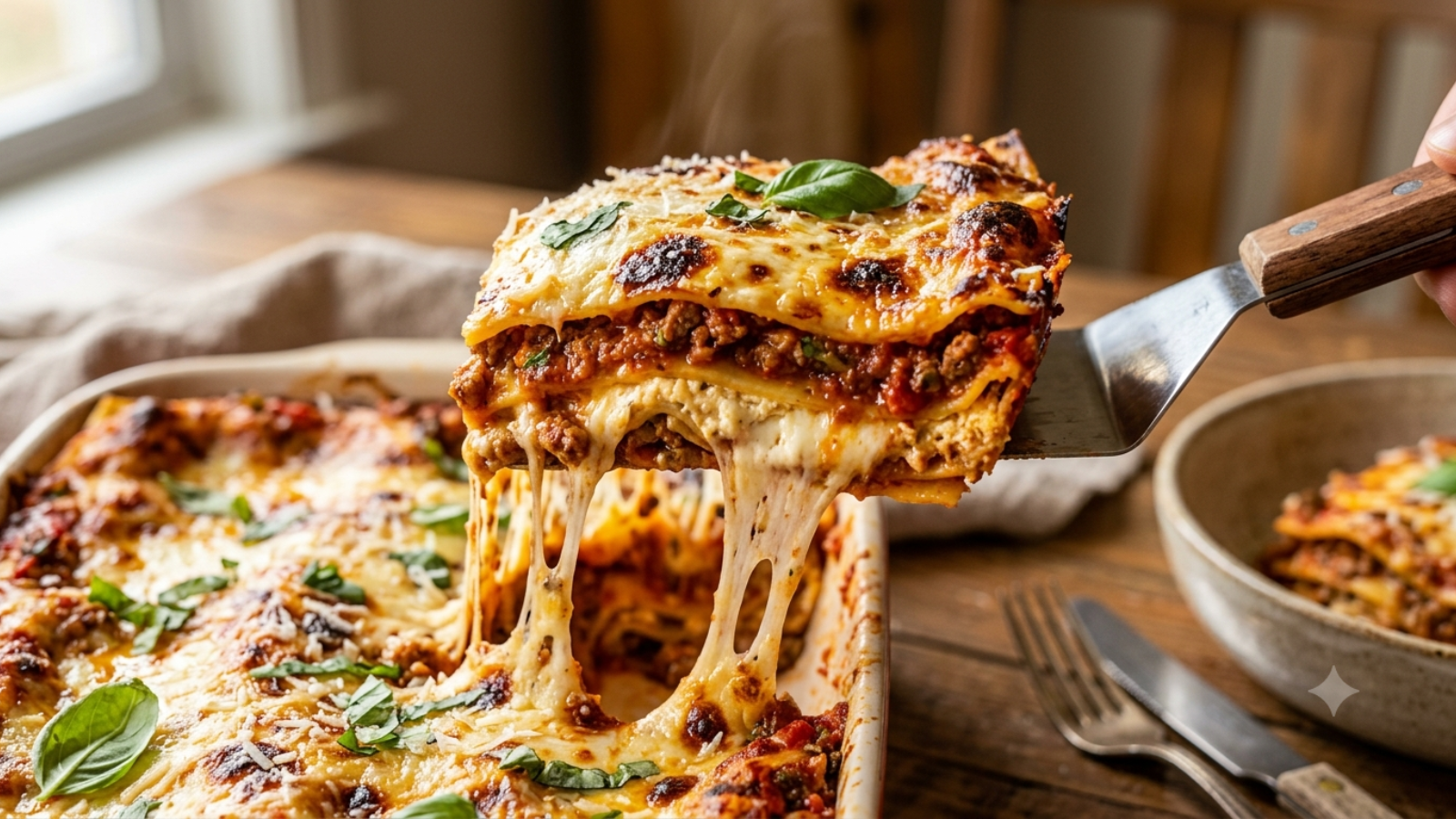
National Lasagna Day 2026: The Ultimate From-Scratch Lasagna Guide
Lasagna has earned its place as one of America’s favorite comfort foods. Every year, National Lasagna Day gives home cooks, restaurants, and families another reason to gather around the dinner table and enjoy layers of pasta, rich sauce, creamy cheese, and hearty fillings.
While ordering takeout is convenient, making lasagna from scratch offers a completely different experience. Fresh ingredients, homemade sauce, and careful layering create flavors that frozen or restaurant versions often can’t match.
Whether you’re preparing your very first lasagna or looking to improve a family recipe, this guide covers everything you need to know—from choosing the right ingredients to baking a perfectly balanced dish.
Why National Lasagna Day Continues to Grow in Popularity
Food holidays have become increasingly popular across the United States because they encourage families to cook together and celebrate classic dishes.
Lasagna stands out because it fits almost every occasion:
- Family dinners
- Weekend gatherings
- Holiday celebrations
- Meal prep
- Potluck events
- Neighborhood parties
Unlike many trendy recipes that come and go, lasagna has remained popular for generations because it’s flexible, filling, and easy to customize.
What Makes Homemade Lasagna Better?
Many people wonder whether making lasagna from scratch is worth the extra effort.
The answer is yes—for several reasons.
Better Flavor
Homemade tomato sauce develops deeper flavor when simmered slowly.
Fresh herbs, garlic, onions, and quality olive oil produce a richer taste than many store-bought sauces.
Better Texture
Fresh cheese melts differently than pre-shredded varieties.
Homemade meat sauce also stays juicy instead of becoming greasy.
The result is cleaner layers that hold together beautifully.
More Control Over Ingredients
Cooking from scratch allows you to reduce:
- Sodium
- Sugar
- Preservatives
- Artificial flavors
You can also choose lean meats or add more vegetables depending on your family’s preferences.
Choosing the Best Ingredients
Excellent lasagna starts with excellent ingredients.
Pasta
Both traditional and oven-ready noodles work well.
Fresh pasta creates a softer texture, while dried pasta offers a little more structure.
Tomato Sauce
Many experienced cooks recommend using crushed San Marzano tomatoes because they provide balanced sweetness and lower acidity.
Adding onions, garlic, olive oil, oregano, basil, and tomato paste creates a rich homemade sauce.
Cheese
A classic combination includes:
- Whole milk ricotta
- Fresh mozzarella
- Parmesan
- Pecorino Romano (optional)
Avoid using only mozzarella because the finished dish may become too stretchy without enough creaminess.
Meat
Popular choices include:
- Ground beef
- Italian sausage
- Ground turkey
- Ground chicken
Combining beef and sausage often creates the richest flavor.
Herbs
Fresh herbs make a noticeable difference.
Good options include:
- Basil
- Parsley
- Oregano
- Thyme
Fresh herbs added near the end of cooking keep their bright flavor.
Step-by-Step Guide to Building Perfect Layers
One of the biggest mistakes home cooks make is creating uneven layers.
Professional chefs recommend following a consistent order.
Layer 1
A thin layer of sauce prevents noodles from sticking.
Layer 2
Lasagna noodles
Layer 3
Ricotta mixture
Layer 4
Meat sauce
Layer 5
Mozzarella
Layer 6
Parmesan
Repeat the process until the baking dish is nearly full.
Finish with extra mozzarella and Parmesan for a beautifully browned top.
Common Mistakes to Avoid
Even experienced cooks occasionally make these errors.
Using Too Much Sauce
Excess liquid creates soggy slices that fall apart.
The goal is moist—not watery.
Skipping the Resting Time
Allow the lasagna to rest for at least 20 minutes after baking.
This gives the layers time to set.
Cutting immediately often causes everything to slide apart.
Overcooking the Pasta
If you’re boiling traditional noodles first, cook them just until slightly firm.
They will continue cooking inside the oven.
Using Cold Cheese
Allow ricotta and mozzarella to reach room temperature before assembling.
They spread more evenly and melt better.
Make-Ahead Tips
Lasagna is one of the best meals to prepare ahead of time.
Many cooks believe it tastes even better the next day because the flavors continue blending overnight.
You can:
- Assemble one day early
- Refrigerate before baking
- Freeze for up to three months
- Bake directly from frozen with additional cooking time
This makes lasagna a practical option for busy families and holiday gatherings.
Meat vs. Vegetarian Lasagna
Traditional meat lasagna remains America’s favorite, but vegetarian versions have become increasingly popular.
Vegetable options may include:
- Spinach
- Mushrooms
- Zucchini
- Eggplant
- Bell peppers
- Roasted tomatoes
These ingredients add flavor while reducing saturated fat.
Both versions can be delicious when built with balanced layers and quality ingredients.
Why Homemade Lasagna Is Worth the Effort
Making lasagna from scratch takes more time than opening a frozen meal, but the results are often worth it. Fresh ingredients let you control flavor, texture, and nutrition while creating a dish that can feed a crowd or provide leftovers for several days.
For many families, preparing lasagna is also about tradition. Recipes are often passed from one generation to the next, making the meal part of family celebrations as much as the food itself.
Expert Tips for Restaurant-Quality Lasagna
Professional chefs agree that small details often make the biggest difference. If you want your homemade lasagna to taste like it came from an Italian restaurant, focus on technique rather than adding more ingredients.
Simmer the Sauce Slowly
A quick sauce can taste sharp or acidic. Let your tomato sauce simmer for at least 45 minutes, or longer if possible. Slow cooking allows the tomatoes, herbs, garlic, and onions to develop a richer, deeper flavor.
Season Every Layer
Don’t rely on the meat sauce alone. Lightly season the ricotta mixture and taste the sauce before assembling the lasagna. Every layer should contribute flavor.
Freshly Grated Cheese Matters
Fresh mozzarella and freshly grated Parmesan melt more evenly and create a better texture than many pre-shredded cheeses, which often contain anti-caking agents.
Don’t Overload the Filling
Adding too much meat, sauce, or cheese can make the lasagna difficult to slice. Balanced layers help every serving hold together and ensure that each bite has the right mix of pasta, sauce, and cheese.
Best Side Dishes to Serve with Lasagna
Lasagna is satisfying on its own, but the right side dishes can turn it into a complete meal.
Popular options include:
- Garlic bread
- Caesar salad
- Mixed green salad with balsamic dressing
- Roasted vegetables
- Steamed broccoli
- Grilled asparagus
- Bruschetta
- Italian antipasto platter
For dessert, classic choices include tiramisu, cannoli, gelato, or fresh berries.
How to Store and Reheat Lasagna
One reason lasagna is so popular is that leftovers often taste even better the next day.
Refrigerator
Store leftovers in an airtight container for up to four days.
Freezer
Wrap individual portions or the entire baking dish tightly. Frozen lasagna keeps well for up to three months.
Reheating
Cover the lasagna with foil and warm it in a 350°F (175°C) oven until heated through. Microwave reheating works for single servings, but the oven usually gives the best texture.
Can You Make Lasagna Healthier?
Yes. Homemade lasagna gives you complete control over the ingredients.
Simple ways to lighten the dish include:
- Use lean ground turkey or chicken.
- Replace part of the ricotta with cottage cheese.
- Add spinach, mushrooms, or zucchini.
- Choose whole-wheat lasagna noodles.
- Reduce the amount of cheese without sacrificing flavor.
- Add extra vegetables to the meat sauce.
These small changes can increase fiber and reduce saturated fat while keeping the meal satisfying.
Why National Lasagna Day Matters
National Lasagna Day is more than a fun food holiday. It encourages people to slow down, cook at home, and share a meal with family or friends.
In recent years, interest in home cooking has continued to grow as more people look for budget-friendly meals and enjoy learning traditional recipes. Lasagna remains one of the most searched comfort foods because it is versatile, freezer-friendly, and suitable for gatherings of almost any size.
Whether you stick with a classic Italian-American recipe or create a vegetarian version packed with seasonal vegetables, making lasagna from scratch is a rewarding way to celebrate the day.
Frequently Asked Questions
When is National Lasagna Day?
National Lasagna Day is celebrated every year on July 29 in the United States.
Can I prepare lasagna the night before?
Yes. Assemble the lasagna, cover it tightly, and refrigerate it overnight. Bake it the next day according to your recipe.
What’s the best cheese for lasagna?
A combination of ricotta, mozzarella, and Parmesan is the traditional choice. Some cooks also add Pecorino Romano for extra flavor.
Do I have to boil oven-ready noodles?
No. Oven-ready noodles are designed to cook during baking, as long as there is enough sauce in the dish.
Why does my lasagna fall apart?
The most common reasons are using too much sauce, cutting it too soon after baking, or overfilling the layers. Letting the lasagna rest for about 20 minutes before slicing helps it set.
Can I freeze homemade lasagna?
Yes. You can freeze it either before or after baking. Wrap it well to help maintain quality during storage.
Key Takeaways
- National Lasagna Day is celebrated annually on July 29.
- Homemade lasagna offers better flavor and more control over ingredients than many store-bought versions.
- Slow-simmered sauce, balanced layers, and quality cheese make a noticeable difference.
- Let the lasagna rest before slicing for cleaner servings.
- Lasagna is an excellent make-ahead meal and freezes well.
- Adding vegetables or using lean protein is an easy way to create a lighter version.
Conclusion
Few dishes bring people together like homemade lasagna. Its rich layers, comforting flavors, and ability to feed a crowd have made it a favorite in American homes for generations. National Lasagna Day is a great reminder that cooking from scratch doesn’t have to be complicated—it simply requires good ingredients, a little patience, and attention to detail.
Whether you’re preparing a traditional meat lasagna, experimenting with fresh vegetables, or making your family’s signature recipe, the real celebration is sharing a homemade meal around the table. With thoughtful preparation and a few expert techniques, you can create a lasagna that’s both memorable and delicious.
Internal Linking Suggestions
- Best Homemade Garlic Bread Recipe
- Easy Caesar Salad Recipe
- How to Make Fresh Pasta at Home
- Essential Italian Herbs Every Home Cook Should Know
- Family-Friendly Comfort Food Recipes
External Authoritative Source Suggestions
For additional cooking techniques and food safety guidance, consider referencing:
- U.S. Department of Agriculture (food safety and proper storage)
- Academy of Nutrition and Dietetics (healthy ingredient substitutions)
- National Pasta Association (pasta cooking guidance)

About the Author
Aparna is the founder and editor of NewsDayPlus, where he covers breaking U.S. news, Social Security updates, finance, stock market trends, technology, consumer affairs, and major national events. He researches information from official government agencies, company announcements, and reputable news sources to produce accurate, fact-checked, and reader-friendly articles. His mission is to make complex topics simple, reliable, and useful for everyday readers across the United States.