
From milk to yogurt, low fat dairy is surging in popularity this week.
Low fat dairy products are flying off shelves faster than ever. Supermarkets across the U.S. are reporting spikes in demand, with shoppers swapping whole milk and heavy cream for lighter options. The shift is happening right now, and it’s changing how Americans eat.
This week, several major grocery chains confirmed that low fat dairy sales are climbing at double-digit rates. Yogurt, cheese, and milk labeled “low fat” or “reduced fat” are seeing the biggest jumps. Nutrition experts say the trend reflects growing awareness about heart health and calorie control.
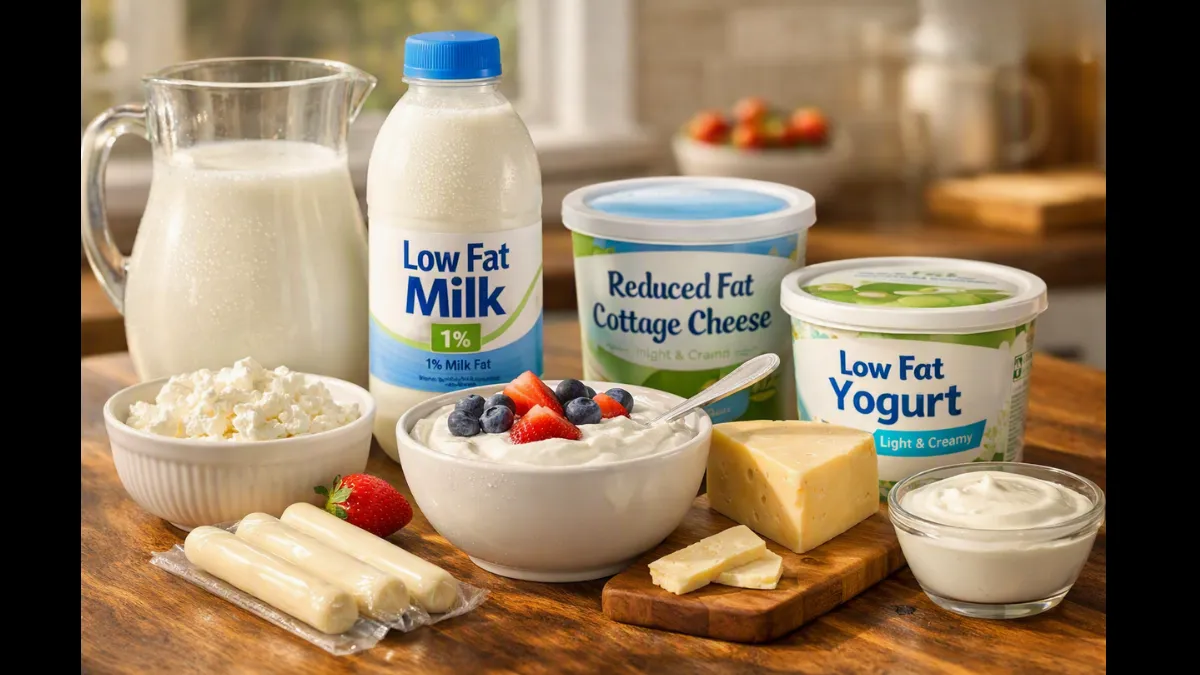
For the average American, this matters because it’s about choice. You’re seeing more low fat dairy options in your local store, often priced competitively with full-fat versions. That means healthier swaps are becoming easier without breaking your budget.
Families are feeling the difference at the dinner table. Parents are pouring low fat milk for their kids, hoping to cut calories without sacrificing taste. College students are grabbing low fat yogurt cups as quick snacks, while older adults are turning to reduced-fat cheese to manage cholesterol.
Think of it like trading in a gas-guzzling SUV for a hybrid. You still get where you’re going, but you save fuel along the way. Low fat dairy is that hybrid — familiar comfort food, but with less baggage.
Not everyone is convinced. Some nutritionists argue that full-fat dairy can be healthier in moderation, pointing to studies linking whole milk to satiety and better nutrient absorption. Critics warn that “low fat” labels sometimes hide added sugars or artificial ingredients.
Supporters counter that the benefits outweigh the risks. Cutting saturated fat is a proven way to reduce heart disease risk, and low fat dairy makes that easier for millions of people. The debate is heating up, and shoppers are caught in the middle.
Expect more innovation. Dairy producers are experimenting with new low fat recipes that taste closer to full-fat versions. Plant-based competitors are also watching closely, since the rise of low fat dairy could challenge the momentum of almond and oat milk.
The next few months will show whether low fat dairy is a passing fad or a permanent fixture in American diets.
Sometimes the biggest change in health starts with the smallest swap.
FAQs
Q1: What are low fat dairy products?
They include milk, cheese, yogurt, and other dairy items with reduced fat content compared to traditional versions.
Q2: Why are low fat dairy products popular right now?
Americans are increasingly focused on heart health, calorie control, and affordable healthier options.
Q3: Are low fat dairy products healthier than full-fat versions?
They reduce saturated fat intake, but some critics argue full-fat dairy has benefits too.
Q4: Do low fat dairy products taste different?
Yes, but producers are improving recipes to make them taste closer to full-fat versions.
Q5: Will low fat dairy replace plant-based alternatives?
Not necessarily, but its rise could slow the growth of plant-based milk and yogurt.

About the Author
Aparna is the founder and editor of NewsDayPlus, where he covers breaking U.S. news, Social Security updates, finance, stock market trends, technology, consumer affairs, and major national events. He researches information from official government agencies, company announcements, and reputable news sources to produce accurate, fact-checked, and reader-friendly articles. His mission is to make complex topics simple, reliable, and useful for everyday readers across the United States.