
Apple is quietly rewriting its own iPhone playbook for 2026, and the changes could affect when you buy, how much you pay, and what color you choose.
Something unusual is happening in Cupertino right now. Apple is planning to release only the Pro models and the iPhone Fold in September 2026, while the standard iPhone 18 gets held back for a spring 2027 launch. That’s not a small tweak — that’s Apple abandoning the one September tradition it has kept sacred for over a decade. And if you’ve been saving up for a new iPhone, this changes everything about your timeline. tomsguide
Production lines for the iPhone 18 Pro are already set up, signaling that the design has been finalized, which means this isn’t a vague rumor anymore — Apple is actively building these phones right now. The decisions shaping what lands in your pocket this fall are already locked in. tomsguide
The Price Question Nobody Wants to Answer
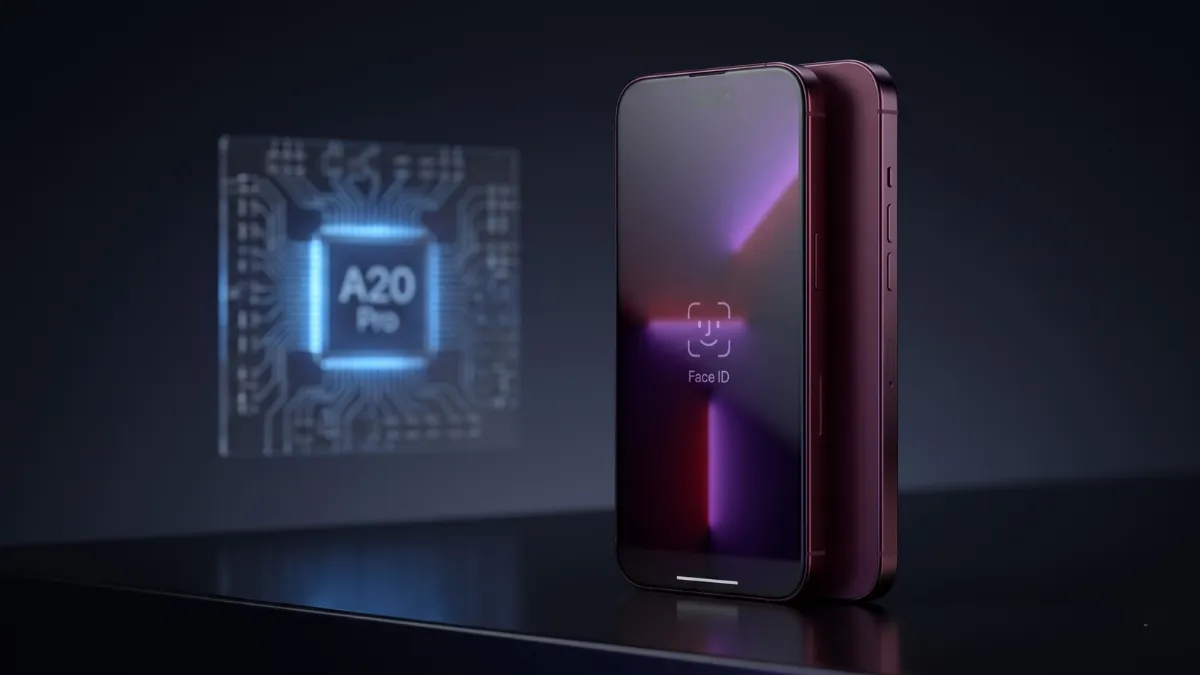
Here’s where it gets uncomfortable. Apple reportedly plans to use TSMC’s 2-nanometer chip for the first time in the iPhone 18 Pro, and producing a chip using that process is expensive — the shift from 3nm to 2nm could cost Apple an extra $35 per processor, a roughly 70% cost increase. When a company’s manufacturing costs jump 70%, you don’t absorb that hit yourself. You pass it to the customer. phonearena
Think of it like your local coffee shop suddenly paying twice as much for beans. That latte doesn’t stay at $5 for long. While the standard Pro version went up $100 in 2025, the iPhone 17 Pro Max retained its $1,199 starting price. But with a chip cost surge this steep, analysts are watching carefully to see if Apple can hold the line again — or if 2026 is the year the Pro finally crosses into new pricing territory. tomsguide
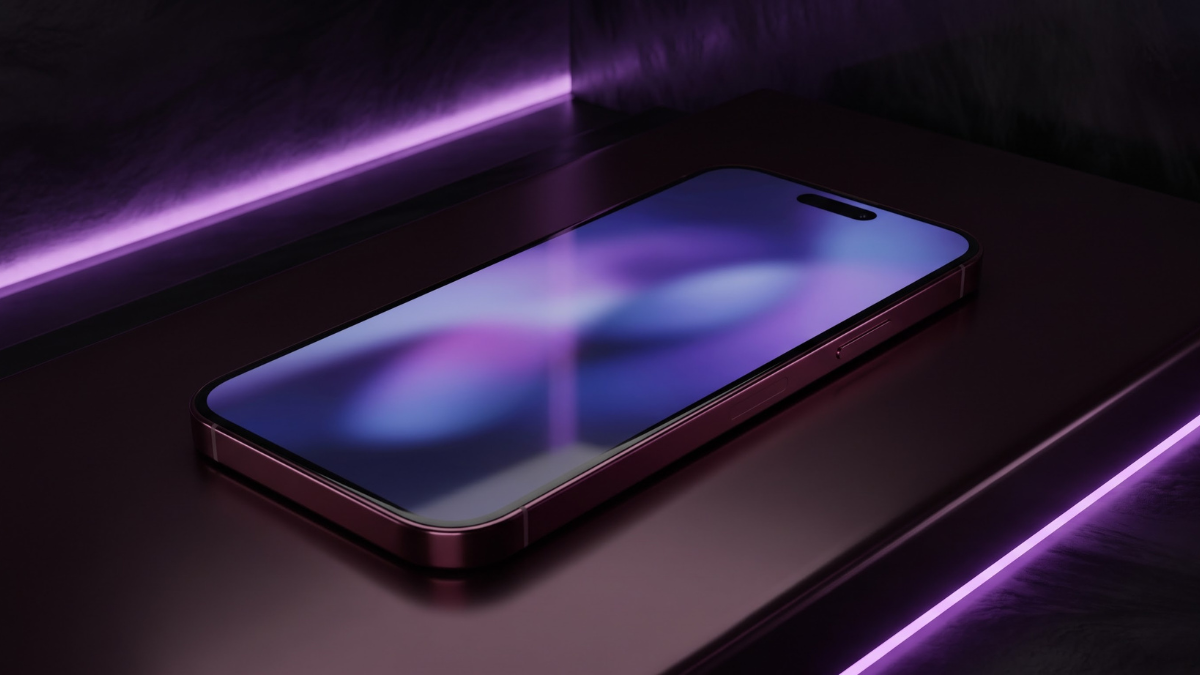
The foldable iPhone, expected alongside the 18 Pro this September, could cost between $1,800 and $2,500 — nearly double the iPhone 17 Pro Max. That number alone tells you Apple is playing in a completely different league with this launch. gulfnews
The Design Change That’s Been Nine Years Coming
Here’s the moment that should make you stop and genuinely think: Apple may finally put Face ID under the screen. The iPhone 18 Pro and iPhone 18 Pro Max are expected to feature under-display Face ID technology, replacing the current Dynamic Island cutout with a simple punch-hole camera positioned slightly to the left. The front of your phone — that slab of glass you’ve stared at every single day — is about to look completely different. yahoo
The Dynamic Island alerts will continue to pop out to fill the whole screen when needed, but Face ID hardware gets tucked away invisibly beneath the display, giving you a cleaner screen with no pill-shaped interruption at the top. It sounds small. It won’t feel small when you’re holding it. tomsguide
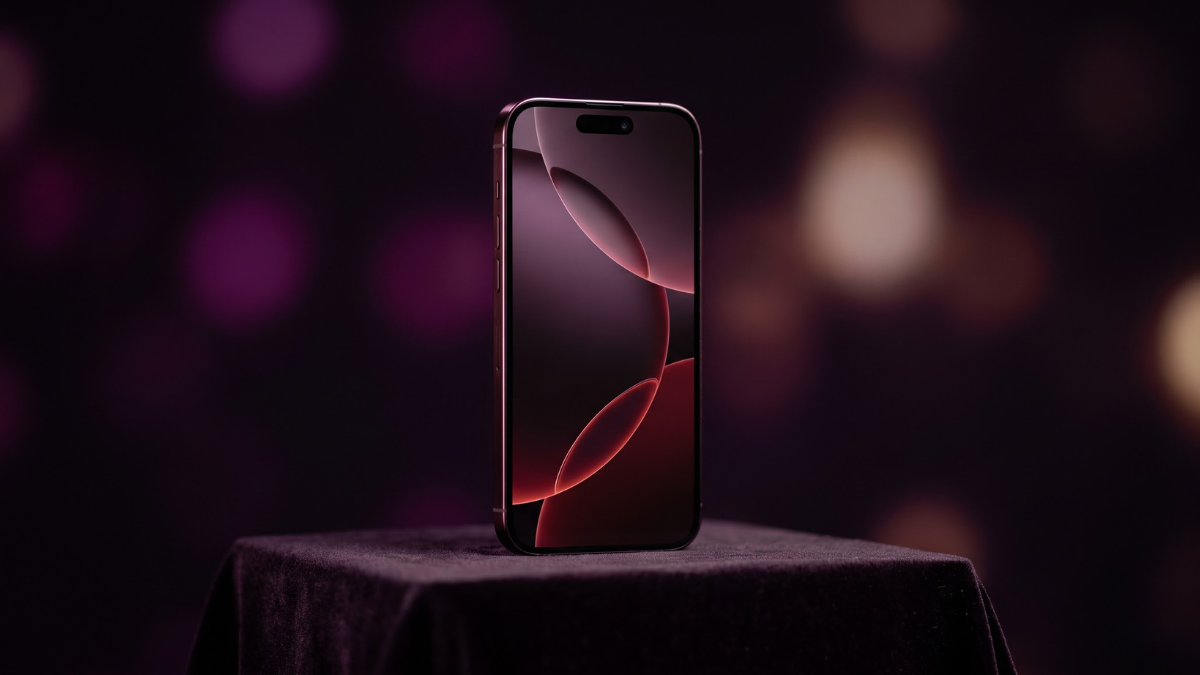
Apple is also rumored to introduce an entirely new color palette for the iPhone 18 Pro — burgundy, purple, and brown — with no returning colors from the iPhone 17 Pro’s options of orange, blue, and silver. Burgundy, in particular, has been all over leaked renders, and it looks genuinely striking — richer and deeper than anything Apple has offered on a Pro model before. tomsguide
What This Means for Your Wallet and Your Family
If you planned to upgrade to a base iPhone 18 this fall, Apple just moved your goalposts. The standard iPhone 18 is expected to arrive in spring 2027, potentially alongside an iPhone 18e. That’s six to nine months later than what iPhone buyers have counted on for years. It’s a real disruption for anyone on a family plan managing upgrade cycles, for parents buying a kid their first iPhone for the holidays, or for anyone holding onto a cracked screen waiting for September. phonearena
The people most affected aren’t the power users who always buy the Pro anyway. They’re the everyday buyers — the ones who grab the base model because $799 is already a stretch and $1,099 is simply not happening. Apple’s split release strategy creates two iPhone launch events a year, meaning you’re never more than six months away from a new iPhone announcement. That sounds nice in theory. In practice, it means you might wait longer for the model that actually fits your budget. whathifi
The Experts Aren’t All Cheering
Not everyone thinks this is a genius move. Some industry analysts argue that splitting the release schedule fragments consumer attention and gives Android rivals a bigger window to grab undecided buyers. Samsung, Google, and others don’t sit still — they’ll use that spring gap aggressively.
With updates becoming ever more incremental and people holding onto their devices longer between upgrades, Apple has struggled to generate the same launch-day hype it once commanded. Supporters counter that two annual events actually solve exactly that problem — more buzz, more urgency, more reasons to upgrade. But critics say Apple risks training its own customers to wait rather than act, turning “fall iPhone season” from a cultural moment into a math problem. whathifi
The chip cost question draws similar tension. Apple has enormous leverage over its suppliers and historically finds ways to protect margins without fully passing costs to buyers. But the 2nm leap is genuinely unprecedented in scale, and even loyal Apple observers aren’t sure the company can absorb it cleanly.
Watch These Dates Closely
September 2026 is your first deadline. The iPhone 18 Pro and Pro Max launch is expected in September 2026, continuing Apple’s usual fall reveal cycle, and that’s when you’ll finally see official pricing, confirmed colors, and a real hands-on look at whether under-display Face ID lives up to the hype. phonearena
iOS 27 launches alongside the iPhone 18 series, with a sharper focus on Apple Intelligence and a more advanced Siri finally rolling out after delays. The software story matters as much as the hardware — watch closely for whether Apple’s AI ambitions actually catch up to what it’s been promising for two years. phonearena
If you’re a standard iPhone buyer, mark spring 2027 on your calendar instead. By then, you’ll know exactly what you’re getting, what it costs, and whether the wait was worth it.
The iPhone 18 isn’t just a new phone — it’s Apple’s biggest bet on reinvention since the original iPhone notch, and how you feel about paying for it will depend entirely on whether Apple can make that bet feel worth every dollar.

About the Author
Aparna is the founder and editor of NewsDayPlus, where he covers breaking U.S. news, Social Security updates, finance, stock market trends, technology, consumer affairs, and major national events. He researches information from official government agencies, company announcements, and reputable news sources to produce accurate, fact-checked, and reader-friendly articles. His mission is to make complex topics simple, reliable, and useful for everyday readers across the United States.